Night Shift Genius: The Tollbooth Worker Who Revolutionized Heart Surgery
The Education That Happened Between Cars
Every night at 11 PM, Vivien Thomas would settle into his tollbooth on the New Jersey Turnpike, a thermos of coffee at his side and a stack of medical textbooks balanced on his lap. Between collecting quarters from late-night drivers, he'd steal glances at anatomical diagrams, memorizing the intricate pathways of the human circulatory system by the dim light of his booth.
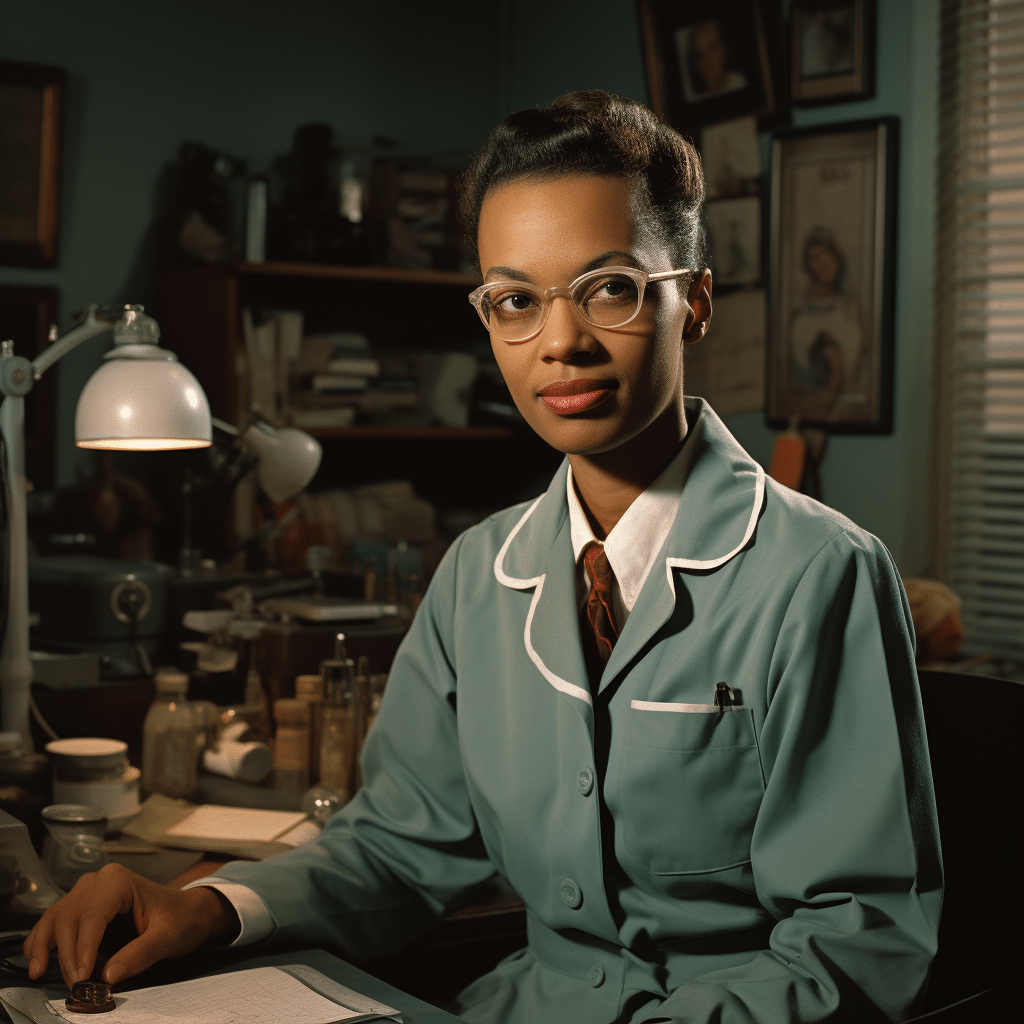 Photo: Vivien Thomas, via www.baltimoreexaminer.com
Most people saw a Black man in a uniform doing an honest but unremarkable job. What they couldn't see was one of the most brilliant medical minds of the 20th century, quietly teaching himself surgery in ten-minute intervals between traffic rushes.
Thomas had never intended to spend his nights in a tollbooth. Born in 1910 in rural Louisiana, he'd dreamed of becoming a doctor, but the stock market crash of 1929 had wiped out his family's savings just as he was preparing for medical school. With a wife and young children to support, he'd taken whatever work he could find, eventually landing the steady but mind-numbing job on the turnpike.
Learning in the Margins
What set Thomas apart wasn't just his determination to keep studying — it was how he studied. Unable to afford new textbooks, he'd spend his lunch breaks at the Rutgers University library, feeding nickels into the photocopying machine, building his own medical education one page at a time.
He developed a system: anatomy in the morning after his shift ended, physiology during his afternoon break, surgical procedures late at night when traffic was light. His fellow toll collectors thought he was crazy, spending his break time with his nose buried in books about hearts and blood vessels.
"Vivien was always reading something," remembered his supervisor years later. "We'd joke that he knew more about the inside of a body than the inside of a car, which seemed pretty useless for a tollbooth operator."
But Thomas had a craftsman's approach to learning. Growing up, he'd watched his carpenter father build houses from the ground up, understanding that mastery came from knowing every joint, every angle, every way a structure could succeed or fail. He applied the same methodical precision to understanding the human body.
The Meeting That Changed Everything
In 1940, a chance encounter would transform Thomas from night-shift student to medical pioneer. Dr. Alfred Blalock, a prominent surgeon from Johns Hopkins Hospital, was driving through New Jersey when his car broke down near Thomas's tollbooth. While waiting for a tow truck, Blalock struck up a conversation with the articulate young man who seemed to know an unusual amount about cardiac anatomy.
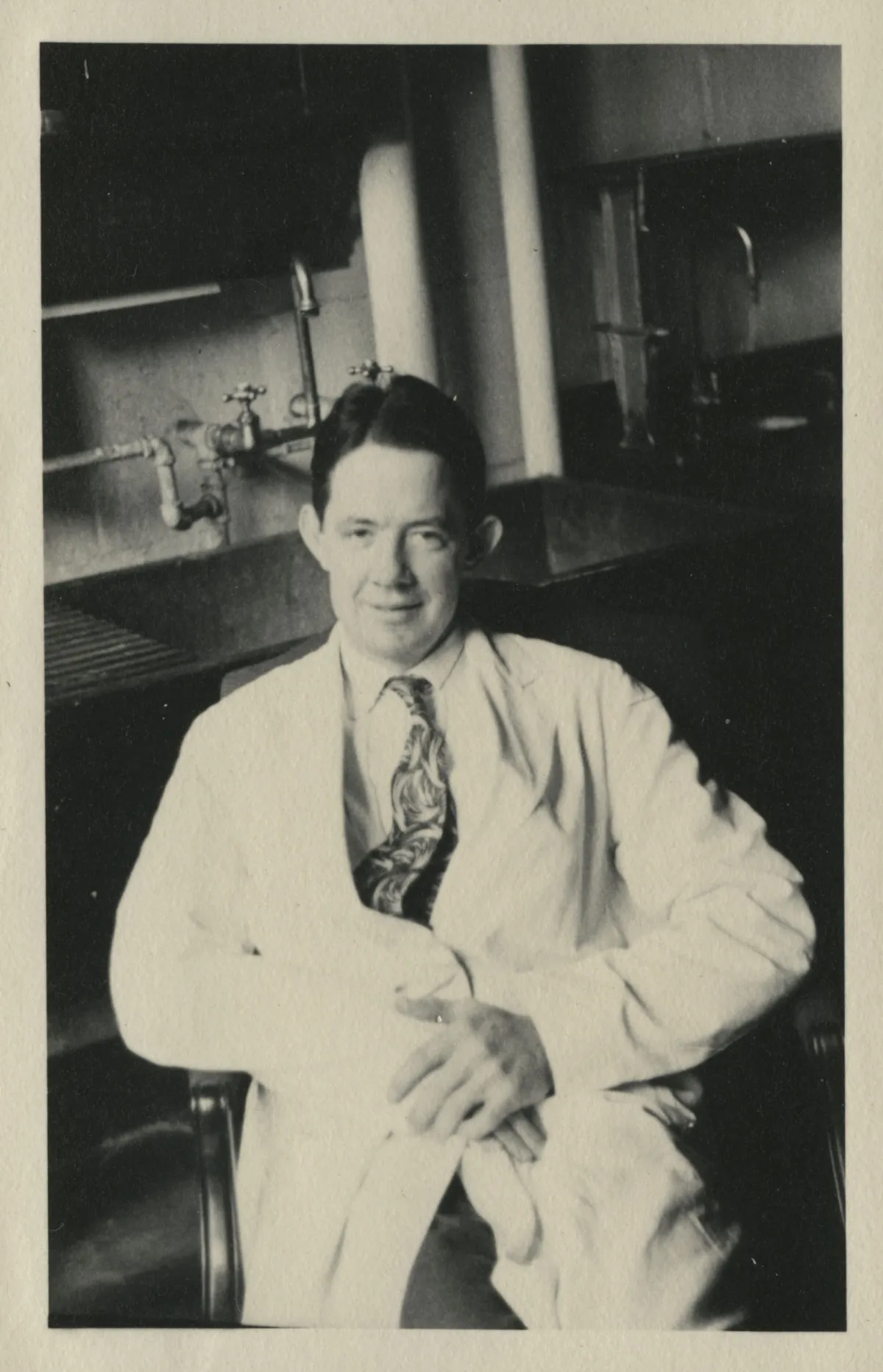 Photo: Dr. Alfred Blalock, via georgiahistory.com
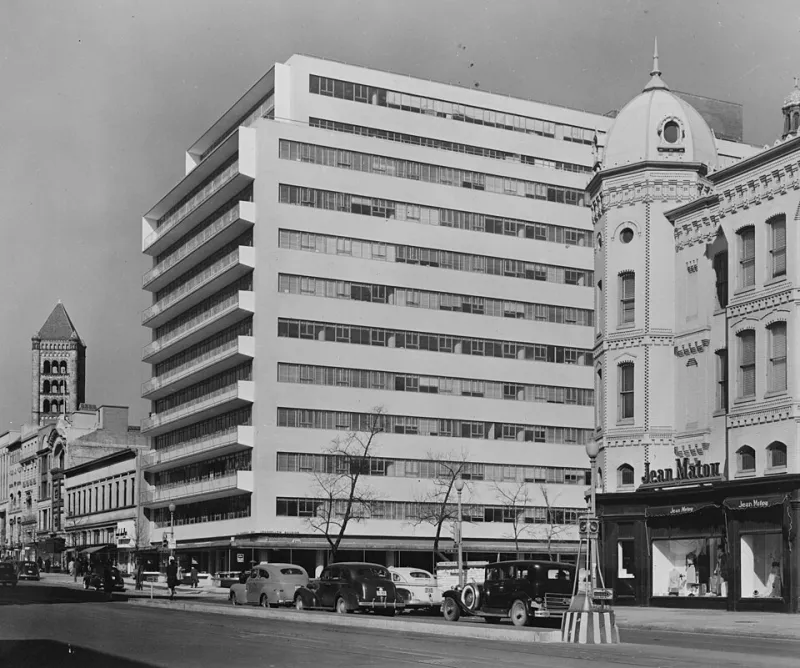
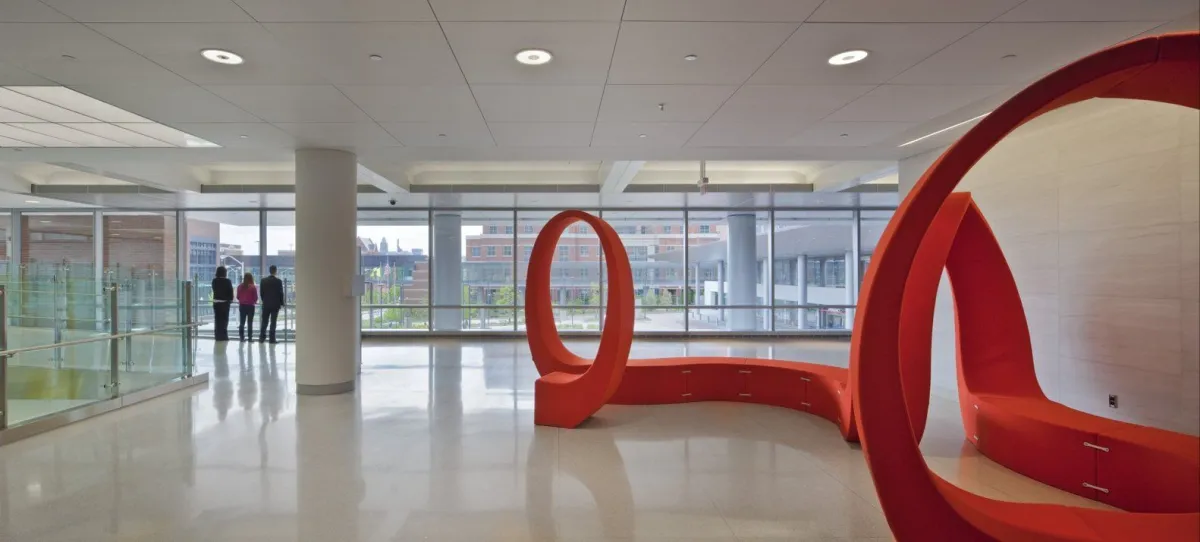 Photo: Johns Hopkins Hospital, via i.pinimg.com
Intrigued by Thomas's self-taught expertise, Blalock offered him a position as a laboratory assistant at Johns Hopkins. It was a significant pay cut from the tollbooth job, but Thomas didn't hesitate. At age 30, he was finally getting his chance to work in medicine.
The Blue Baby Breakthrough
At Johns Hopkins, Thomas's unconventional background became his greatest asset. While formally trained researchers approached problems through established protocols, Thomas brought a mechanic's intuition and a working man's willingness to experiment.
The challenge that would define both their careers came in the form of "blue babies" — infants born with Tetralogy of Fallot, a complex heart defect that left them chronically short of oxygen and facing almost certain death within their first few years.
Traditional medical thinking said these children couldn't be helped. The defect was too complex, the heart too small, the surgery too risky. But Thomas, who had spent years studying circulation patterns in his tollbooth, saw possibilities that others missed.
Building Solutions with Carpenter's Hands
Working in the laboratory, Thomas began developing a surgical procedure that would redirect blood flow around the defective parts of the heart. His approach was revolutionary: instead of trying to fix the defect directly, he would create a new pathway that bypassed the problem entirely.
Using his carpenter's precision, Thomas practiced the delicate procedure on laboratory animals, developing techniques that required steadier hands and more spatial reasoning than most trained surgeons possessed. His years of careful, methodical work — whether building houses with his father or studying anatomy in a tollbooth — had prepared him for surgery that demanded both theoretical knowledge and practical skill.
The Operation That Saved Thousands
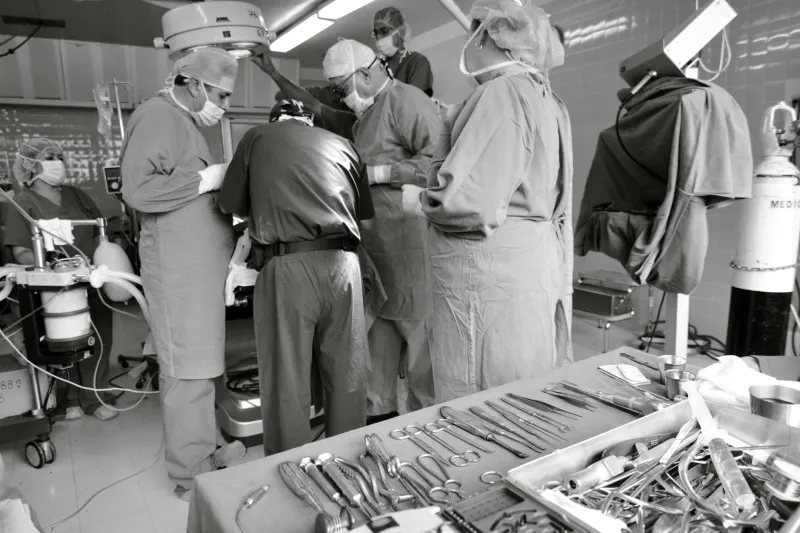
On November 29, 1944, Dr. Blalock and Thomas performed the first "blue baby" operation on 15-month-old Eileen Saxon, who was near death from her heart defect. Thomas stood behind Blalock throughout the four-hour surgery, quietly guiding the procedure he had perfected.
The operation was a stunning success. Within minutes of completion, Eileen's blue-tinged skin turned pink as properly oxygenated blood flowed through her body for the first time. News of the breakthrough spread rapidly through the medical world.
Over the next decade, the Blalock-Thomas procedure would save thousands of children who had previously faced certain death. Parents traveled from around the world to Johns Hopkins, hoping for the miracle surgery that had been developed by a surgeon and his self-taught assistant.
Recognition Long Overdue
For years, Thomas received little public recognition for his contributions to the breakthrough. Medical journals credited Dr. Blalock, while Thomas remained in the background, training other surgeons in the techniques he had developed. It wasn't until the 1970s that the medical community began acknowledging Thomas as a full partner in the discovery.
In 1976, Johns Hopkins awarded Thomas an honorary doctorate, finally recognizing the tollbooth worker who had revolutionized cardiac surgery. The ceremony was attended by dozens of surgeons he had trained and hundreds of patients whose lives he had saved.
The Lesson of the Night Shift
Vivien Thomas proved that expertise doesn't always come from traditional classrooms or prestigious institutions. Sometimes it develops in the quiet hours between other responsibilities, built up through curiosity, persistence, and the kind of hands-on problem-solving that comes from a lifetime of making things work.
His story reminds us that innovation often emerges from the margins — from people who bring fresh perspectives precisely because they learned differently, worked differently, and saw possibilities that others missed. The tollbooth attendant who saved thousands of children understood something that formal medical training had overlooked: sometimes the best solutions come from the most unexpected places.