Garbage Routes and Graduate School: The Man Who Found Sociology at the Bottom of a Dumpster

Photo by Photo by Omar on Unsplash on Unsplash
On a Tuesday morning in late October, somewhere between a strip mall and a quiet residential block in the San Fernando Valley, Manuel Espinoza pulled a book from the top of a recycling bin. It was damp, the spine was cracked, and half the cover had been eaten by what he suspected was a very motivated rat. He almost tossed it anyway.
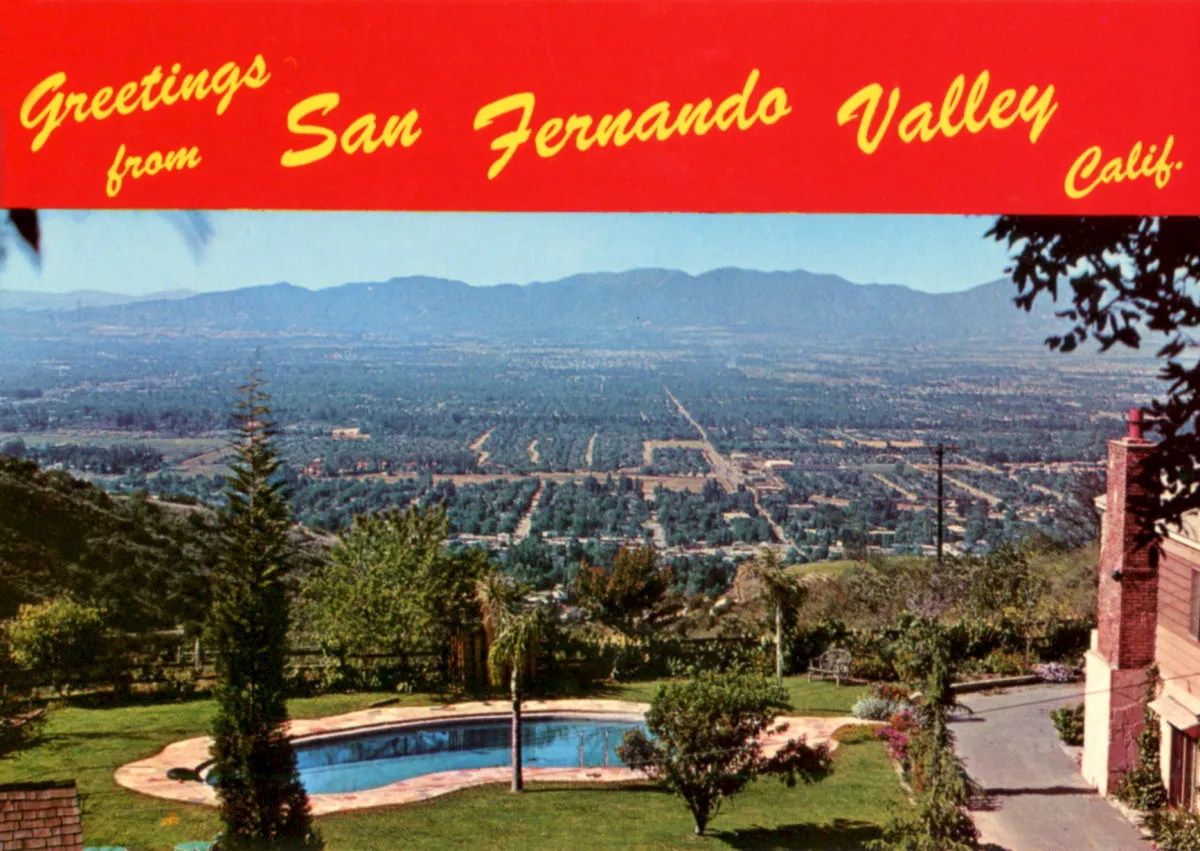 Photo: San Fernando Valley, via valleyrelicsmuseum.org
He didn't.
That book — a battered undergraduate sociology text — would eventually send him to graduate school, reshape his understanding of his own life, and turn him into one of the most talked-about professors on his university campus. But in that moment, standing on the back of a collection truck with diesel fumes in his hair, Manuel Espinoza was just a guy trying to get through his shift.
The Work Nobody Talks About
Espinoza grew up in East Los Angeles, the son of Mexican immigrants who cleaned office buildings and pressed other people's shirts for a living. College wasn't exactly a family tradition. After high school, he did what made sense: he found steady work. By his mid-twenties, he'd landed a job with a municipal waste collection crew, and for the next decade-plus, he showed up before dawn, worked routes that covered miles of pavement, and went home exhausted.
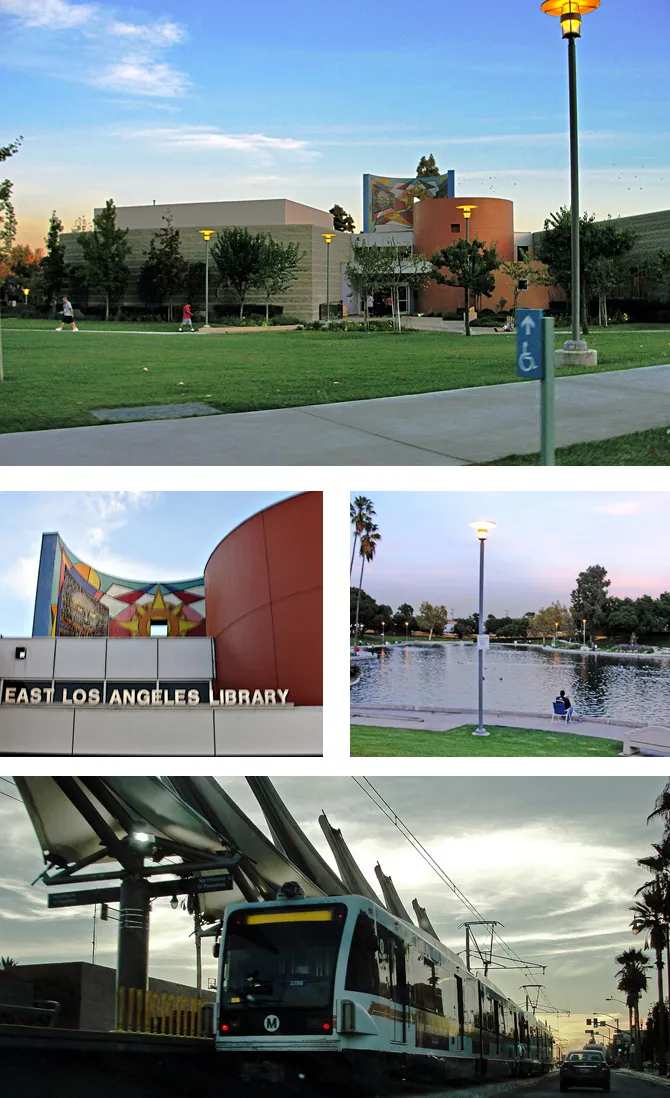 Photo: East Los Angeles, via upload.wikimedia.org
It wasn't glamorous. But Espinoza is quick to point out that it wasn't nothing, either.
"You see everything from the back of a garbage truck," he's said in interviews. "You see what people throw away, what they hold onto, what neighborhoods get serviced first and which ones wait. It's a social map. I just didn't have the language for it yet."
That language arrived in the form of that half-destroyed sociology textbook. Espinoza read it in pieces — on lunch breaks, on the bus, in the half-hour before his family woke up. When he finished, he found another book. Then another. Within a year, he was haunting the public library system with the focus of someone who'd been starved of something and finally figured out what it was.
The Pivot That Took Nerve
Applying to community college at 34 is not the kind of decision that comes without friction. Espinoza was married, had two kids, and couldn't exactly afford to romanticize the idea of being a student. His crew gave him a hard time — affectionately, mostly — and his family worried about money in the very concrete way that families do when the bills are real.
He enrolled anyway.
What followed was not a clean montage of triumph. It was years of night classes and early morning shifts, of writing papers while his children slept and reading theory in parking lots between routes. He transferred to a four-year university, then kept going, earning a master's degree and eventually, at 38, a doctorate in sociology from a California state institution.
His dissertation, which examined how working-class first-generation students navigate the cultural expectations of higher education, drew on more than books. It drew on his own body. The exhaustion of physical labor. The particular kind of invisibility that comes with service work. The way institutions speak a language that some people are simply never taught.
What the Classroom Looks Like When You've Worked the Route
Espinoza is a tenured professor now, teaching sociology at a mid-sized university in the Southwest. His students — many of them first-generation college students themselves, many of them the children of immigrants, many of them working jobs alongside their coursework — describe his classes in terms that don't usually get applied to academic lectures.
"He talks about theory like it explains something real," one former student told a campus publication. "Not like it's just vocabulary you have to memorize."
That's not an accident. Espinoza structures his courses around the idea that lived experience is a legitimate form of knowledge — that someone who has spent years in a physically demanding, socially invisible job has observed things about power and class and community that no amount of reading can fully replicate. He doesn't romanticize poverty or hard labor. But he refuses to treat them as deficits.
His approach has influenced how his department thinks about student support, advising practices, and what it actually means to make a university accessible — not just in terms of admissions, but in terms of whether students feel like they belong once they're inside.
The Book He Still Has
The original textbook, the one from the recycling bin, sits on a shelf in his office. It's held together with a rubber band now. Students who notice it and ask about it get the full story — the truck, the route, the rat, the damp pages.
Espinoza tells it without drama, which somehow makes it land harder.
His point, in the classroom and outside of it, is not that struggle is ennobling or that hardship is secretly a gift. His point is simpler and more useful than that: the path to expertise doesn't have a single entry point, and the people who get there by unexpected roads often see things the direct-route travelers miss.
In sociology, that's called positionality. In the real world, it's called knowing where you came from.
For Manuel Espinoza, those two things turned out to be the same.