She Watched the Windows and Decided the World Had to Change
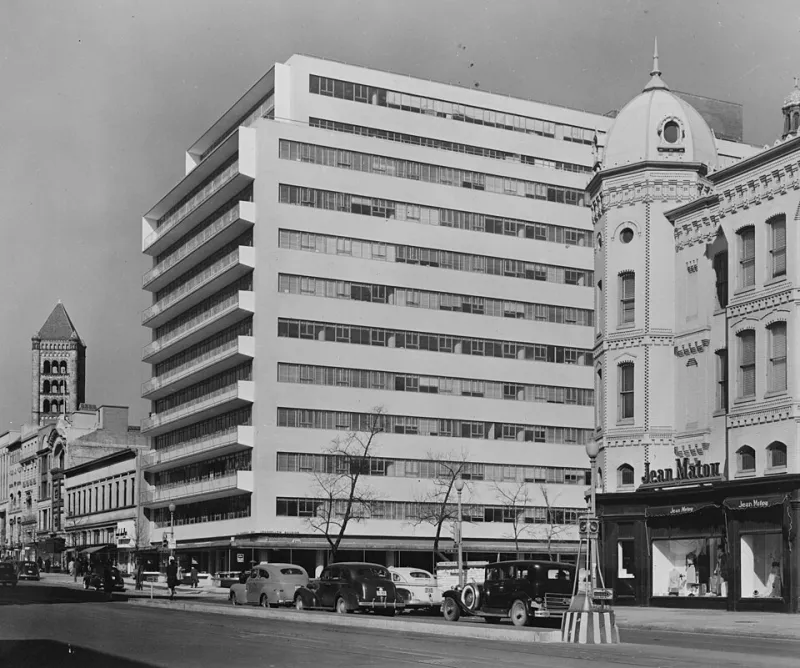
Photo: FSA/OWI, Public domain, via Wikimedia Commons
It was a Saturday. Frances Perkins had been having tea nearby when she heard the fire engines. She ran toward the sound, the way curious people do, and arrived at the corner of Washington Place and Greene Street in Greenwich Village just in time to see the Triangle Waist Company burning from the eighth, ninth, and tenth floors of the Asch Building.
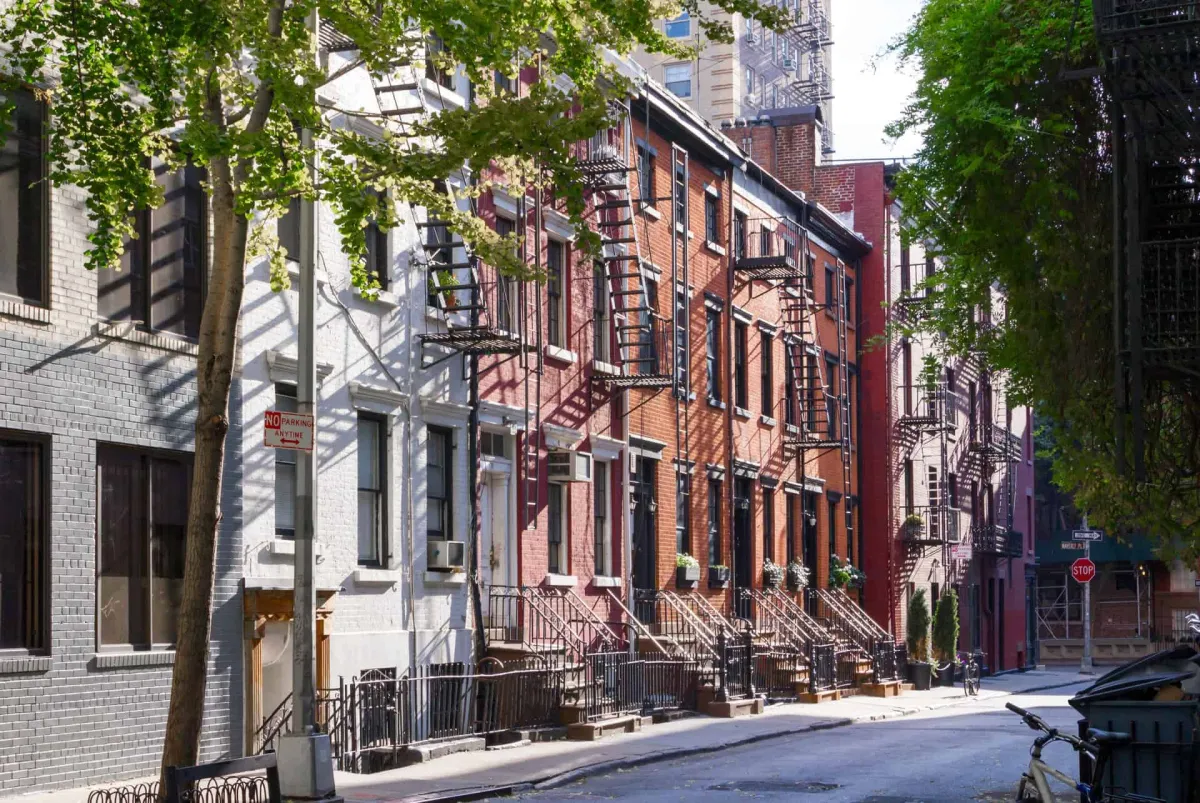 Photo: Greenwich Village, via bonjournewyork.fr
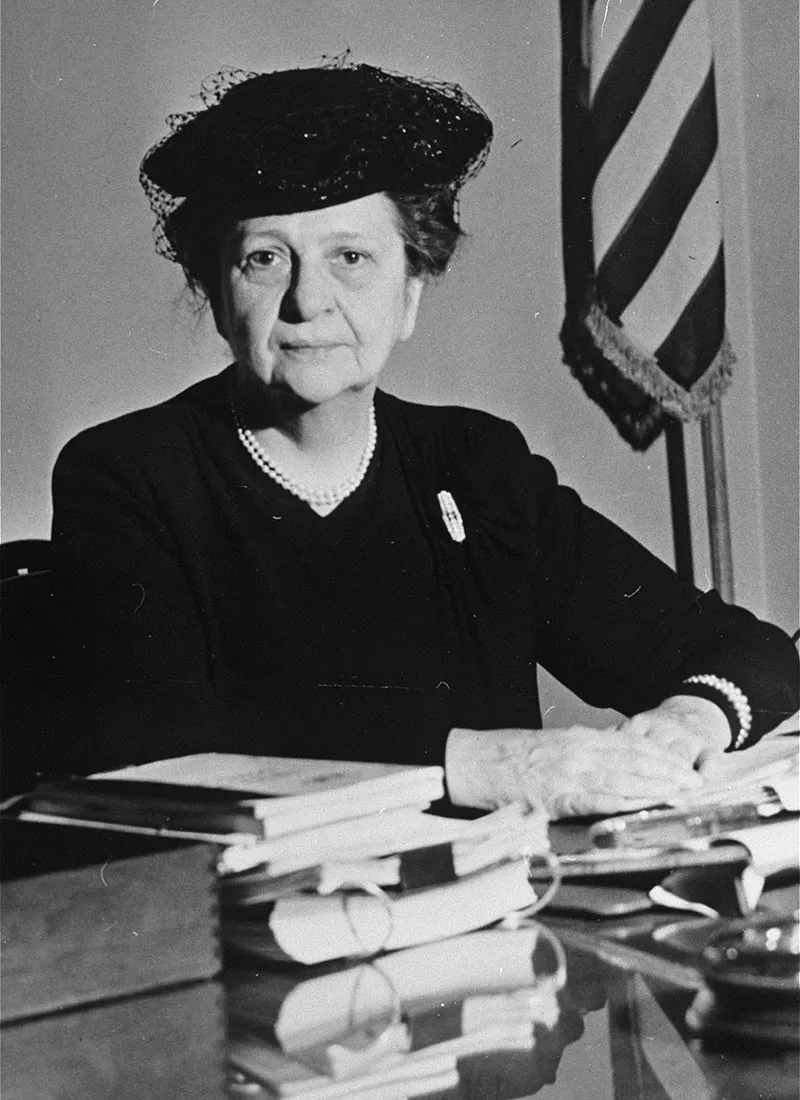 Photo: Frances Perkins, via static.wixstatic.com
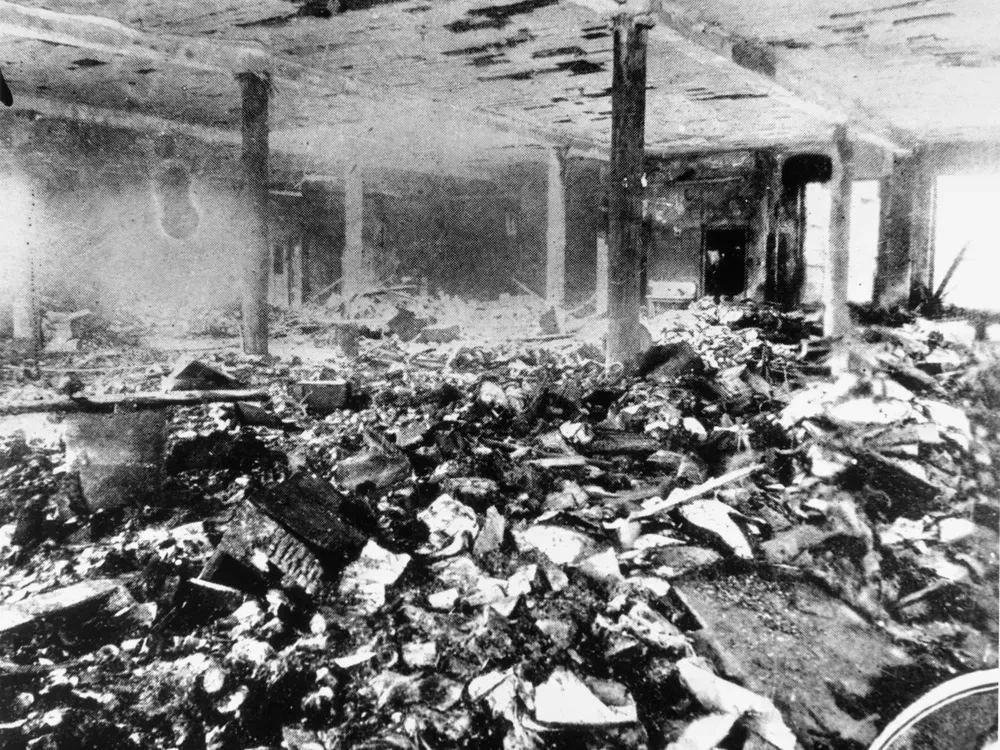 Photo: Triangle Waist Company, via th-thumbnailer.cdn-si-edu.com
What she saw in the next several minutes would never leave her. Girls — many of them teenagers, most of them recent immigrants — were appearing at the windows, looking down at the street below, and jumping. The fire department's ladders didn't reach. The nets the firefighters held couldn't absorb the impact of bodies falling from that height. The doors inside the building, investigators would later confirm, had been locked by management to prevent theft and unauthorized breaks.
One hundred and forty-six workers died that afternoon. Perkins watched it happen.
She was thirty years old. She had been working in social reform for several years, advocating for safer conditions and better wages for the working poor of New York City. She thought she understood the problem. Standing on that sidewalk, she realized she had understood almost nothing.
A Comfortable Beginning, an Uncomfortable Awakening
Frances Perkins came from about as far from a factory floor as it was possible to get. She was born in Boston in 1880 and raised in Worcester, Massachusetts, in a solidly middle-class New England family with deep roots and conventional expectations. She attended Mount Holyoke College, where she studied chemistry and physics — unusual choices for a woman of her era and class — and graduated in 1902 with no particular plan to reshape American society.
The reshaping started gradually. A required social studies course at Mount Holyoke introduced her to factory conditions. She read the muckrakers — Upton Sinclair, Jacob Riis — and something shifted in her. After graduation she taught school, then moved to Philadelphia and later Chicago, where she worked in settlement houses alongside the women who were quietly building the infrastructure of American progressive reform.
By 1910 she was in New York, working for the Consumers League, lobbying the state legislature on issues like maximum working hours for women. She was effective and persistent, but the work felt incremental — small adjustments at the margins of a system that remained fundamentally indifferent to the people it was grinding up.
Then March 25, 1911, arrived.
The Vow on the Sidewalk
Perkins described the Triangle fire many times over the course of her long life, and the accounts are remarkably consistent in their emotional core. She didn't describe rage, exactly. She described something colder and more durable — a kind of clarifying resolve. The industrial economy had just demonstrated, in the most direct terms possible, what it thought of the people who worked inside it. The doors had been locked. The fire escapes had been inadequate. The building had passed inspection. The owners would later be acquitted of manslaughter.
The system, in other words, had functioned exactly as designed. And Perkins decided, standing on that sidewalk, that the design had to change.
What followed was one of the most consequential careers in American political history, built on a foundation of grief and fury that Perkins somehow converted into legislation, negotiation, and institutional reform rather than bitterness. She joined the Factory Investigating Commission that New York State convened in the fire's aftermath, working alongside Al Smith and Robert Wagner to survey working conditions across the state. The commission visited factories, mines, and canneries. It interviewed workers. It documented what it found with meticulous care.
The result was a wave of New York labor legislation — fifty-six new laws over four years — that became a model for the rest of the country. Fire safety standards. Limits on working hours. Restrictions on child labor. The machinery of protection that the Triangle workers hadn't had.
The Long Road to Washington
Perkins spent the next two decades building her expertise and her reputation in New York state government, working under Al Smith and then Franklin Roosevelt when he became governor. She was effective in ways that made powerful people uncomfortable: she was persistent without being combative, technically expert without being academic, and possessed of a moral seriousness that was impossible to dismiss.
When Roosevelt won the presidency in 1932 and began assembling his cabinet, he offered Perkins the position of Secretary of Labor. She accepted — but not before laying out, in explicit terms, what she intended to do with the job. She wanted a federal minimum wage. She wanted unemployment insurance. She wanted a limit on the working week. She wanted an end to child labor. She wanted a Social Security system.
Roosevelt, by her account, said that sounded like a pretty big program. She said she supposed it was.
She served as Secretary of Labor for twelve years — the longest tenure in the position's history — and in that time she helped design and implement most of what she had described in that initial conversation. The Social Security Act of 1935. The Fair Labor Standards Act of 1938, which established the federal minimum wage and the forty-hour workweek. The unemployment insurance system. The framework of federal labor relations that still, in modified form, governs American working life today.
She was the first woman to hold a U.S. Cabinet position. She was also, arguably, the most productive Cabinet member of the New Deal era — which is saying something, given the company.
What the Fire Built
Perkins lived until 1965, long enough to see the legislative architecture she had spent her life building get tested and extended by the labor movements of the postwar era. She lectured, she wrote, she remained engaged with the questions that had occupied her since that Saturday in 1911.
The Triangle Shirtwaist Factory fire is remembered today as a turning point in American labor history, which it was. But the mechanism of that turning — the specific human being who stood on the sidewalk, absorbed the horror of what she witnessed, and converted it into fifty years of relentless legislative work — is less often centered in the story. Perkins herself was partly responsible for that. She was famously reluctant to make herself the story, insisting that the work mattered more than the person doing it.
But the work doesn't happen without the person. The Social Security card in your wallet, the overtime rules that govern your employer, the workplace safety standards that keep factories from locking their exit doors — these things exist because a woman stood on a Greenwich Village sidewalk on a March afternoon and refused to look away from what she saw.
She watched the windows. She made a decision. And then she spent the next half-century making sure no one else would have to watch what she watched.
That's not a small thing. That's the whole ballgame.