Shoeshine Rags to Supreme Court Robes: The Boy from Yakima Who Made Wall Street Sweat
There's a particular kind of hunger that comes from watching your mother stretch a dollar until it screams. William Orville Douglas knew that hunger intimately. He felt it on the cold mornings he hauled his shoeshine kit to the streets of Yakima, Washington, and he felt it in the blistered afternoons he spent picking fruit in the orchards that dotted the Columbia River valley. That hunger never fully left him. And for the bankers and brokers of Wall Street, that turned out to be a very expensive problem.
A Childhood Built on Borrowed Time
William was born in Maine in 1898, but the family relocated west when he was still small. His father, a traveling preacher, died when William was six, leaving his mother, Julia, to raise three children on almost nothing in a town that wasn't exactly overflowing with charity for struggling widows. Yakima was a working-class frontier community, and survival there was a full-contact sport.
From an early age, Douglas contributed. He shined shoes downtown. He picked apples, pears, and hops alongside migrant workers who had no better options than he did. He understood, viscerally, what it meant to be on the wrong end of an economic system that rewarded those who already had resources and punished those who didn't. He wasn't reading about inequality in a textbook — he was living it, one thin dime at a time.
Polio struck him as a child, leaving his legs weakened. The doctors were skeptical he'd ever walk normally again. Douglas responded by hiking the Cascades until his legs strengthened through sheer stubborn repetition. That response — refuse the verdict, outwork the limitation — became the operating manual for everything that followed.
The Long Road to the Ivy League
Douglas was brilliant in the way that poor kids sometimes are: fiercely efficient, because wasted effort was a luxury he couldn't afford. He excelled academically at Whitman College in Walla Walla, Washington, but getting to Columbia Law School required the kind of creative problem-solving that no prep school education could teach. Legend has it he rode a freight train east with barely enough money to eat, arriving in New York with a plan held together mostly by nerve.
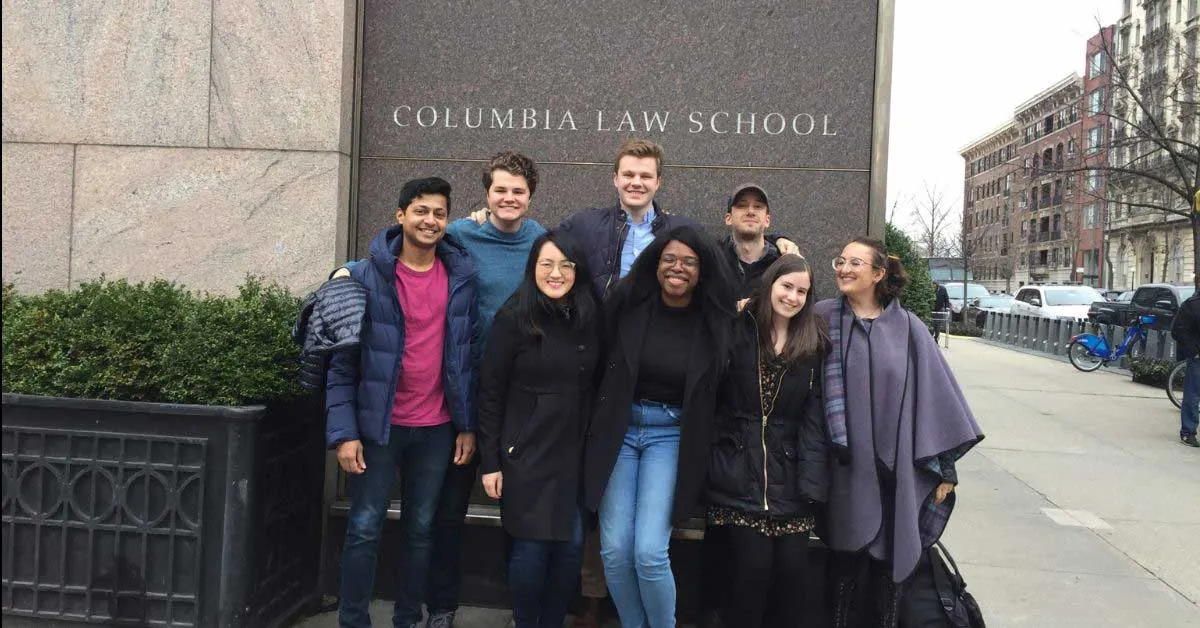 Photo: Columbia Law School, via www.lexinter.net
At Columbia, he thrived. He graduated second in his class, which was impressive by any measure. But the most prestigious Wall Street firms of the era weren't exactly lining up to hire a penniless kid from Yakima who'd ridden cattle cars to get there. The doors of white-shoe law firms opened for the sons of the right families, from the right schools, with the right handshakes. Douglas got the message — and filed it away.
He went into academia instead, teaching at Columbia and later Yale, where he became one of the country's leading experts in corporate and securities law. His scholarship was sharp, original, and often uncomfortable for the financial establishment, because he kept asking the question that his childhood had trained him to ask: who does this system actually serve?
The New Deal's Most Dangerous Appointment
Franklin Roosevelt noticed Douglas. In 1936, FDR appointed him to the Securities and Exchange Commission, the young agency created in the wake of the 1929 crash to impose some order on the chaos of American financial markets. Two years later, Douglas became its chairman.
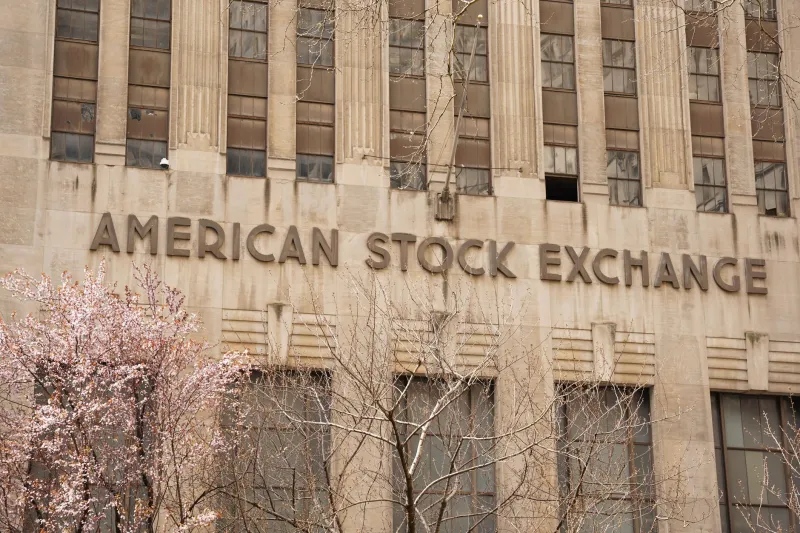
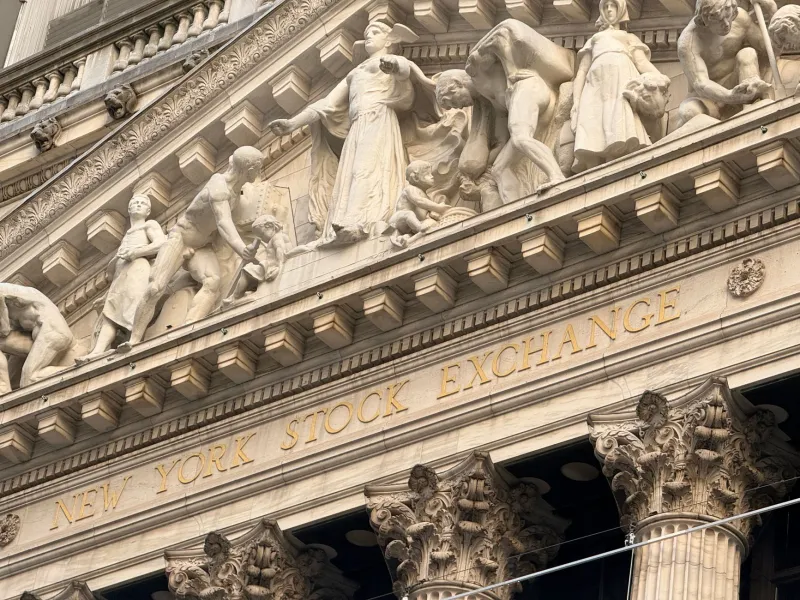
The banking and brokerage world had hoped the SEC would be a paper tiger — a regulatory gesture that looked tough without actually biting. Douglas disabused them of that notion almost immediately. He pushed for genuine transparency in corporate disclosures, went after the cozy practices of the New York Stock Exchange with genuine aggression, and made clear that the SEC existed to protect ordinary investors, not to provide cover for insiders. The men who ran Wall Street's most powerful institutions were not accustomed to being told no by anyone, let alone a former fruit picker from Washington state. They found it deeply unpleasant.
Douglas seemed to enjoy that.
Forty-Six Years on the Highest Bench
In 1939, Roosevelt elevated Douglas to the Supreme Court. He was thirty-nine years old — one of the youngest justices ever appointed. He would serve for thirty-six years, making him the longest-serving justice in the Court's history, a record that still stands.
His jurisprudence was expansive and often provocative. He was a fierce defender of civil liberties, free speech, and the rights of individuals against the concentrated power of government and corporations alike. He was no ideological robot — his positions could be eclectic and sometimes contradictory — but the through-line was always traceable back to Yakima: a deep suspicion of power wielded without accountability, and a reflexive sympathy for the person at the bottom of the system looking up.
He wrote more opinions than any justice before or since. He also wrote more than thirty books, hiked extensively, and remained a genuinely restless, difficult, combustible personality until a stroke forced him from the bench in 1975.
What Poverty Actually Teaches
It's tempting to tell William O. Douglas's story as a simple triumph-over-adversity narrative — poor boy makes good, beats the odds, reaches the top. But that framing misses something important. Douglas didn't just escape poverty. He weaponized it.
The years spent shining shoes and picking fruit didn't just build character in the abstract. They gave him a specific, granular understanding of how economic systems actually function at ground level, and who bears the cost when those systems are rigged. That understanding became the engine of his regulatory philosophy and his legal thinking. He wasn't fighting Wall Street on behalf of some theoretical principle. He was fighting on behalf of the kid he used to be.
The banks and brokers who feared William O. Douglas were, in a sense, afraid of Yakima itself — of what happens when someone who has genuinely had nothing is given real power and the nerve to use it.