From Coffin Maker to Counselor: Frederick Douglass and the Forgotten Years That Forged a Giant

The Sound of Shovels in New Bedford
In the summer of 1838, a young man who had recently changed his name from Bailey to Douglass stood at the edge of a freshly dug grave in New Bedford, Massachusetts. His hands, still bearing the calluses of twenty years in slavery, now gripped a shovel for different reasons. Frederick Douglass — the future advisor to presidents, the voice that would thunder across packed auditoriums — was digging graves for three dollars a week.
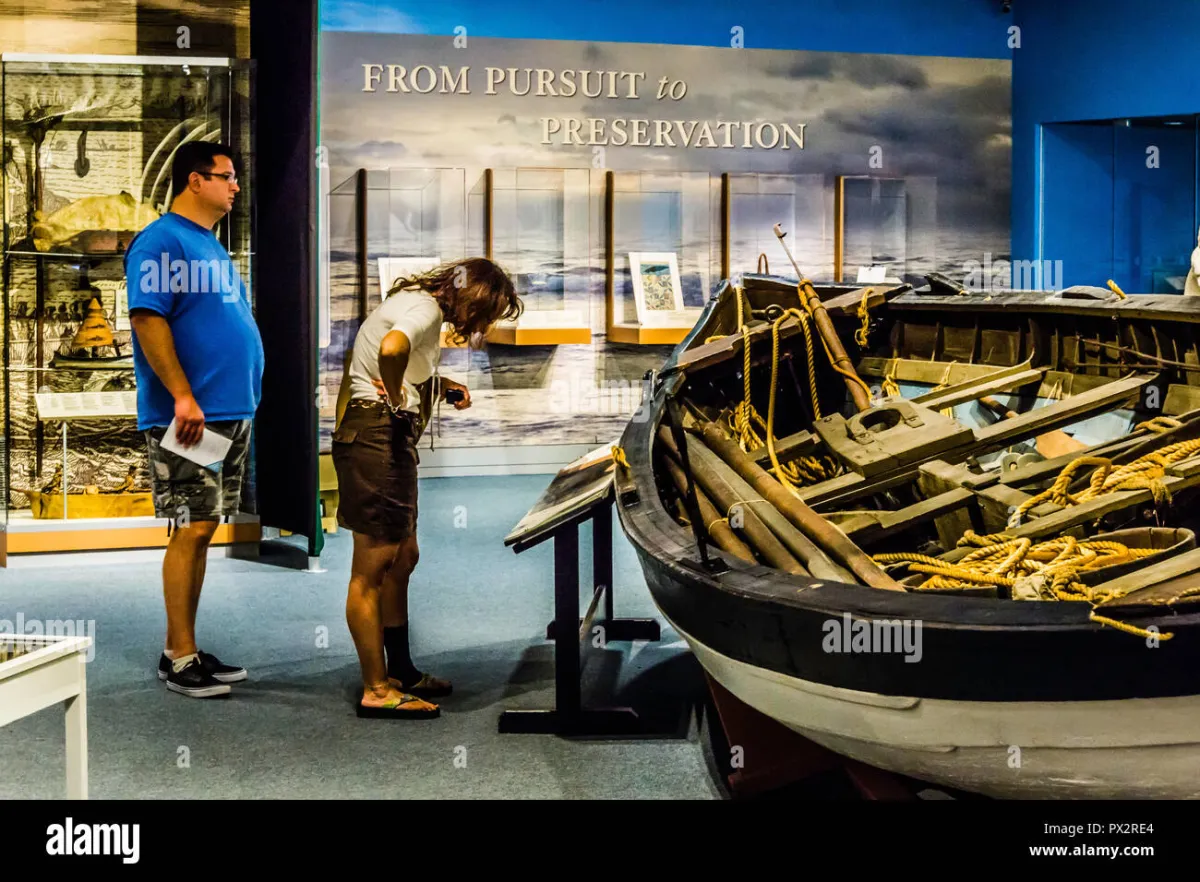 Photo: New Bedford, Massachusetts, via c8.alamy.com
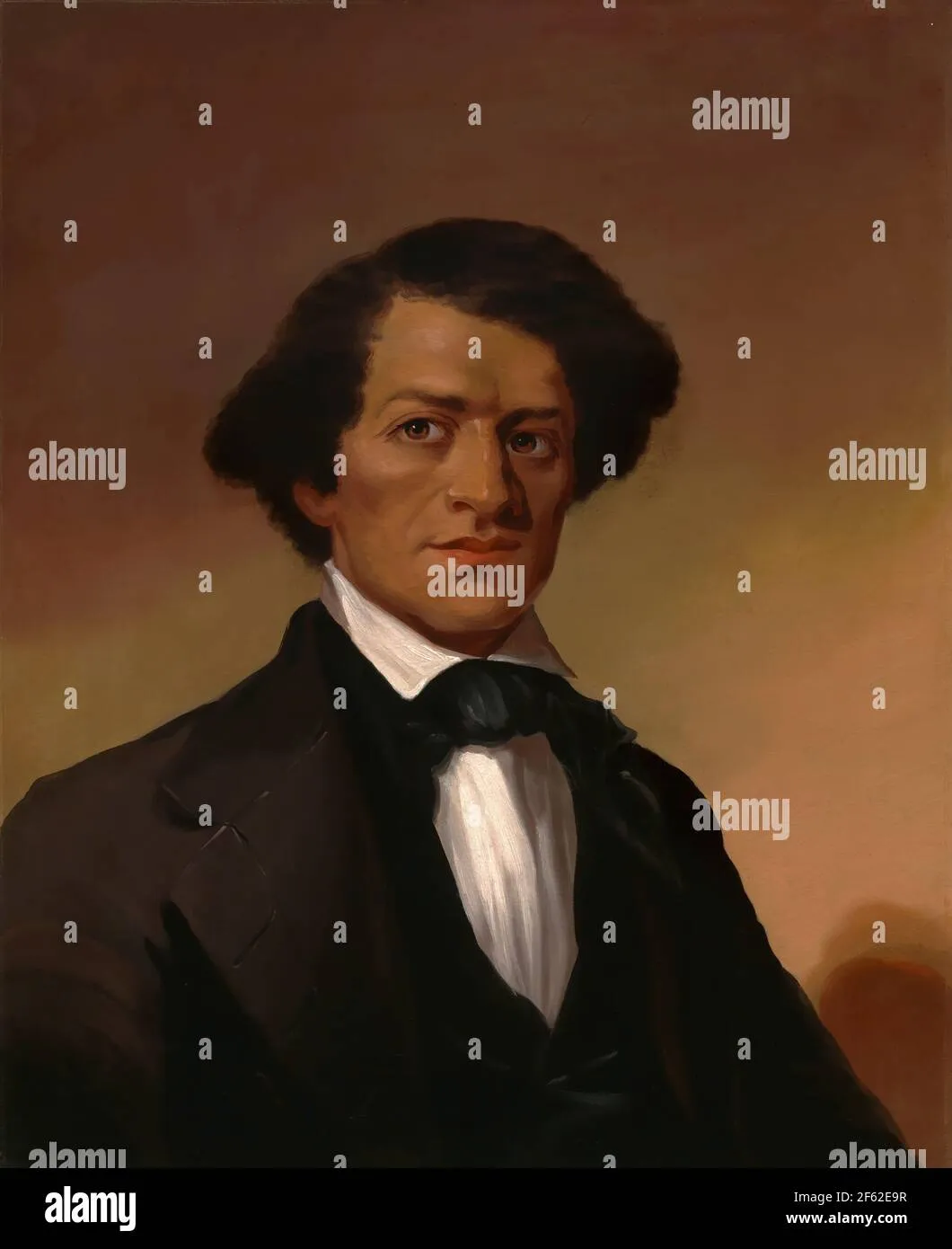 Photo: Frederick Douglass, via c8.alamy.com
History remembers Douglass as the escaped slave who became one of America's greatest orators. But between those two chapters lies a story rarely told: the grinding years when the man who would reshape American conscience worked the jobs that white society deemed fit for a Black man, no matter how brilliant.
When Even Freedom Had a Price
New Bedford seemed like paradise compared to the Maryland plantation Douglass had fled. Ships crowded the harbor, whaling fortunes built grand houses, and slavery was illegal. But freedom came with its own harsh mathematics. The same white workers who might applaud his speeches on Sunday would refuse to work alongside him come Monday.
The shipyards offered the best wages, and Douglass had learned caulking — sealing ship seams with oakum and tar — during his enslaved years in Baltimore. He was skilled, experienced, and desperate for work that paid enough to keep his wife Anna fed and housed. But when he showed up at the docks, the white caulkers made their position clear: work with a Black man, and they'd walk off the job.
"I was told that every white man would leave the ship, in her unfinished condition, if I struck the first blow at my trade upon her," Douglass later wrote. The shipyard owners, faced with losing their entire workforce or one Black worker, made the economically rational choice.
So Douglass took what he could get. He sawed wood, shoveled coal, loaded ships, and yes — dug graves. Each job paid a fraction of what his caulking skills were worth, but each also taught him something about the country he was trying to understand.
The Education of Backbreaking Work
Working the docks meant conversations with sailors who'd seen the world beyond America's racial boundaries. Shoveling coal brought him into contact with Irish immigrants who faced their own discrimination but still ranked above him in the social hierarchy. Digging graves in New Bedford's hillside cemetery gave him quiet hours to think about mortality, dignity, and what it meant to lay people to rest regardless of their station in life.
Every evening, Douglass would return to his small cottage on Elm Street, wash the day's grime from his hands, and read by candlelight. He devoured newspapers, studied speeches, and began crafting his own thoughts about slavery and freedom. The physical exhaustion of manual labor seemed to sharpen rather than dull his intellectual hunger.
Anna Douglass, meanwhile, worked as a domestic servant, her wages often exceeding her husband's despite his education and skills. Together, they scraped together enough to survive while Frederick began attending anti-slavery meetings at the African Methodist Episcopal Zion Church.
The Moment Everything Changed
In August 1841, Douglass attended an anti-slavery convention on Nantucket Island. He had no plans to speak — he was there as an observer, a working man listening to the educated abolitionists debate strategy. But when William Lloyd Garrison, the famous publisher of The Liberator, asked if any formerly enslaved people would share their experiences, something shifted.
Douglass stood up. The words that poured out weren't the careful, measured language of the trained orators surrounding him. They were raw, immediate, carrying the weight of every dawn shift at the docks, every refused job, every moment when his humanity had been reduced to an economic calculation.
The audience sat transfixed. Here was a voice they'd never heard before — not the sympathetic white abolitionists speaking on behalf of the enslaved, but someone who had lived it, escaped it, and was still fighting its consequences every day in supposedly free Massachusetts.
From Shovels to Speeches
That Nantucket speech launched Douglass into a new life as a professional abolitionist lecturer. But he never forgot the lessons of those New Bedford years. When he spoke about slavery's economic foundations, he drew on his experience of being shut out of shipyard work. When he described the psychological warfare of racism, he remembered the daily humiliations of being told he wasn't good enough for jobs he could do better than anyone.
Years later, when President Lincoln finally agreed to meet with him in 1863, Douglass walked into the White House carrying more than just moral authority. He brought the credibility of someone who had worked every job American society offered a Black man, who had felt the full weight of its limitations, and who had somehow transformed that crushing experience into an unstoppable force for change.
The Power of Unlikely Preparation
The conventional narrative suggests that Douglass succeeded despite his years of manual labor after escaping slavery. But perhaps those grinding years in New Bedford weren't a detour from his destiny — they were essential preparation for it.
Every conversation with a fellow worker, every rejection at a job site, every evening spent exhausted but still reading by candlelight, was building the foundation for something unprecedented: a Black voice that white America couldn't ignore, couldn't dismiss, and couldn't silence.
When Douglass finally sat across from Lincoln, demanding that Black soldiers receive equal pay and treatment, he wasn't speaking as someone who had been lifted above America's racial realities. He was speaking as someone who had lived them, worked within them, and somehow found a way to transcend them without ever forgetting what they felt like.
That's the real power of his story — not that he rose from slavery to greatness, but that he rose from slavery to manual labor to greatness, carrying every step of that journey in his voice.