Cut, Dismissed, and Counted Out: Five Athletes Who Made the Doubters Watch

Photo by Photo by Jason Hawke 🇨🇦 on Unsplash on Unsplash
Rejection in sports is almost never quiet. It doesn't arrive as a gentle suggestion. It comes as a cut list posted on a locker room door, a phone call that doesn't come, a coach who stops saying your name during drills. For most people, that's the end of the story.
For a handful of athletes across American sports history, it was the opening paragraph.
Here are five people who were told — sometimes directly, sometimes brutally — that they didn't have what it took. What they did next is the part worth paying attention to.
1. Kurt Warner — The Grocery Store Quarterback
In 1994, the Green Bay Packers cut Kurt Warner before he ever played a regular-season NFL snap. He wasn't just released — he was released without ceremony, without a safety net, and without much reason to believe another opportunity was coming.
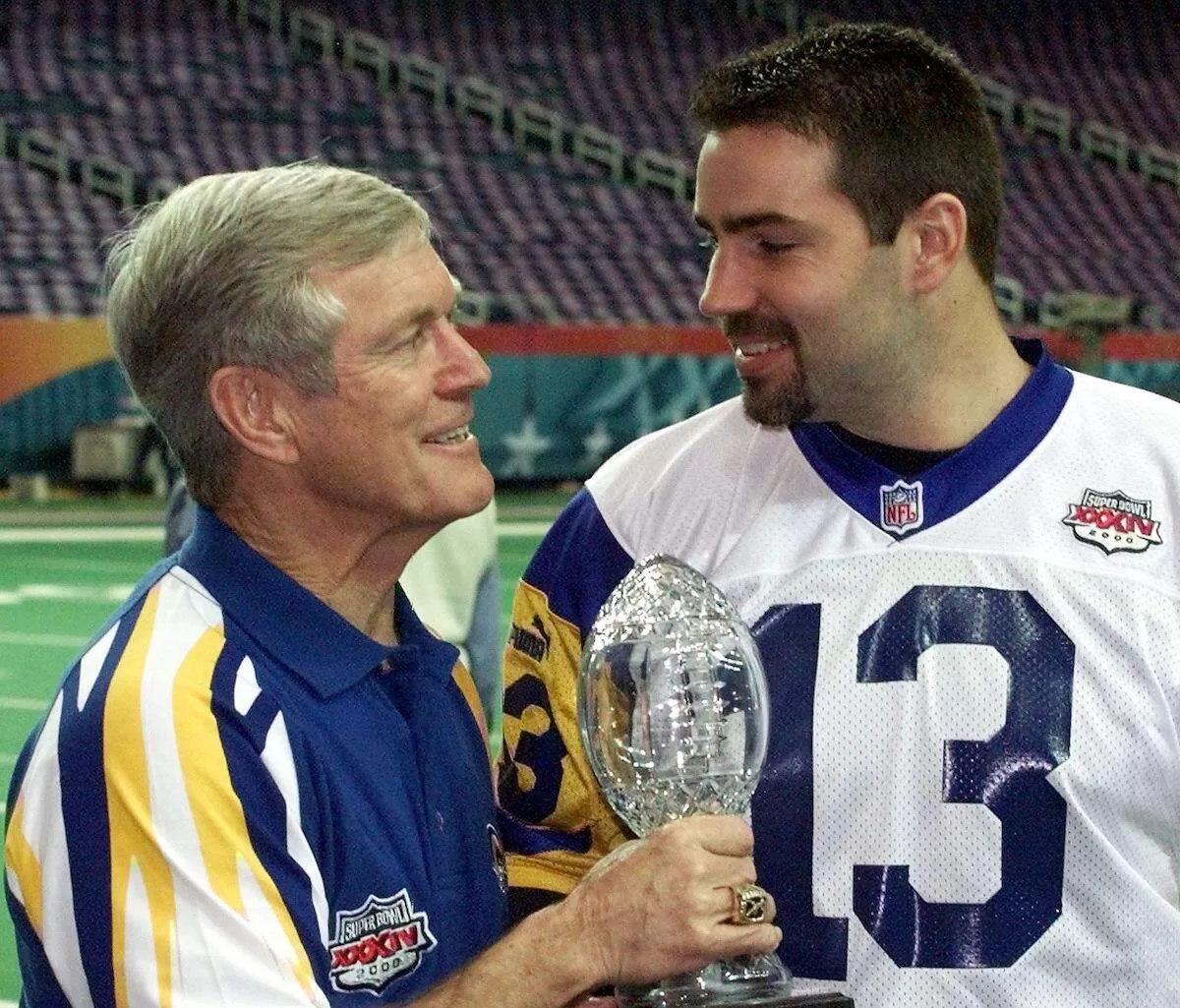 Photo: Kurt Warner, via www.sportscasting.com
What followed is the kind of chapter that sports movies skip because it seems too on-the-nose: Warner stocked shelves at a grocery store in Iowa for $5.50 an hour. He kept throwing. He played in the Arena Football League when the NFL wouldn't return his calls. He went to NFL Europe. He waited.
By 1999, he was starting for the St. Louis Rams. By February 2000, he was holding a Super Bowl trophy and being named the game's MVP. He won another Super Bowl MVP the following decade and was eventually inducted into the Pro Football Hall of Fame.
The specific moment he's pointed to as his internal turning point wasn't triumphant — it was a quiet decision, made somewhere between the cereal aisle and the dairy case, to keep believing in his own ability when literally nothing in his circumstances supported that belief.
2. Wilma Rudolph — The Child Who Wasn't Supposed to Walk
Before Wilma Rudolph became the first American woman to win three gold medals in a single Olympics, doctors told her family she would probably never walk normally. She'd survived polio, scarlet fever, and pneumonia as a child in rural Tennessee. She wore a metal brace on her leg until she was twelve.
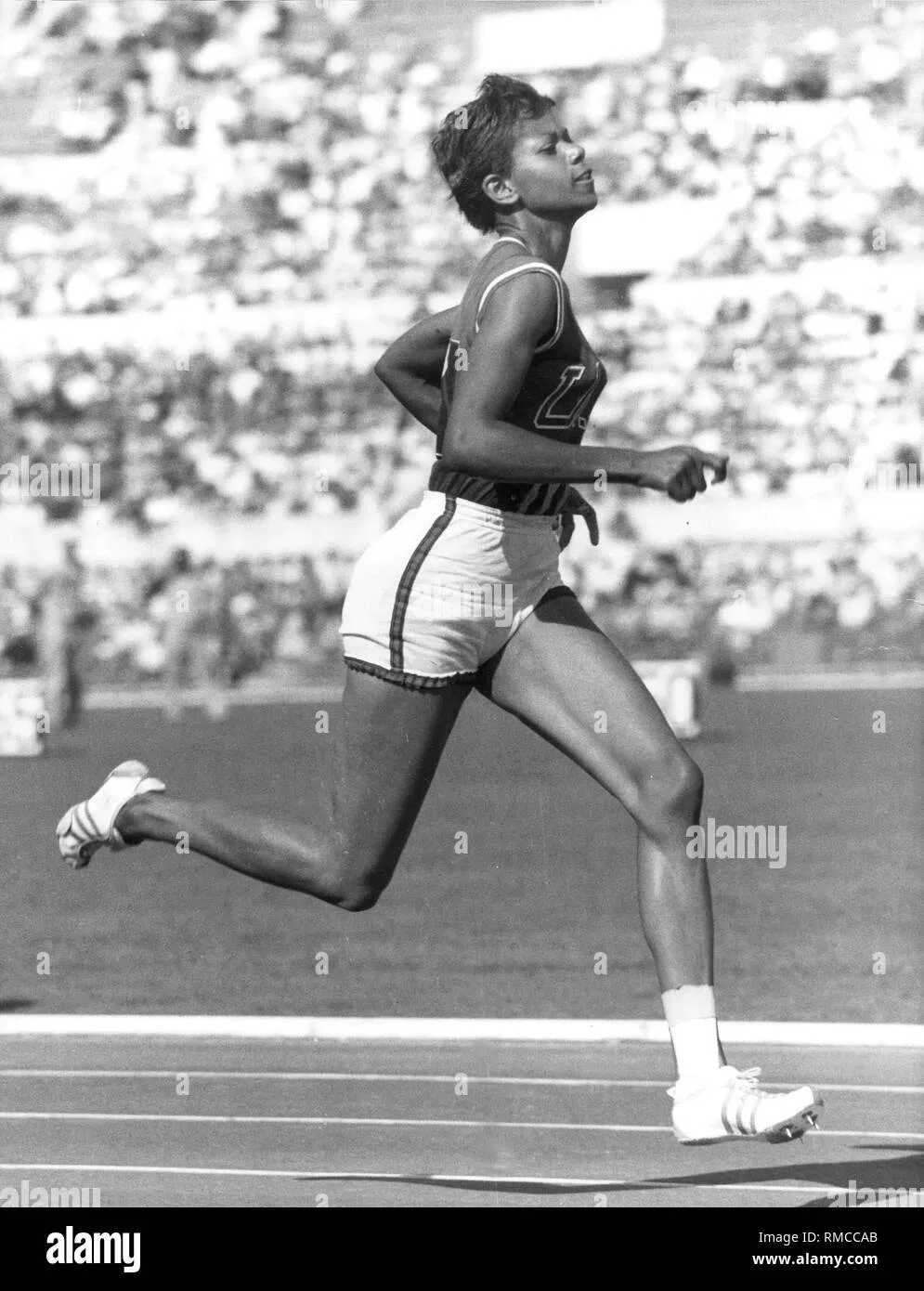 Photo: Wilma Rudolph, via c8.alamy.com
The medical establishment's assessment was not unkind — it was just based on what they could see in front of them. What they couldn't see was what Rudolph was building inside.
She removed the brace herself one Sunday at church, walked across the floor without it, and never put it back on. By 1960, she was in Rome, running the 100 meters, the 200 meters, and the 4x100 relay faster than any American woman ever had.
The rejection in her story wasn't a coach's decision — it was a diagnosis. But the pivot was the same: she simply refused to organize her future around other people's assessment of her limits.
3. Michael Jordan — The Cut That Launched Everything
It's almost too well-known to include, but the lesson is too clean to leave out. As a sophomore at Laney High School in Wilmington, North Carolina, Michael Jordan was left off the varsity basketball roster. The coach chose an older player for the final spot.
Jordan's response was not to accept the evaluation. It was to use it as fuel in the most literal sense — he reportedly returned to the gym obsessively, driven partly by the specific sting of seeing his name absent from that list.
Six NBA championships. Five MVP awards. A cultural footprint that extends well beyond basketball. The story is famous because the outcome was so outsized. But the mechanism was ordinary: embarrassment converted into work, work converted into skill, skill converted into dominance.
The coach who cut him has said, more than once, that he made the right decision at the time based on what he saw. That's probably true. What he couldn't have seen was what Jordan was about to become.
4. Jim Morris — The Pitcher Who Came Back at 35
Jim Morris had a promising pitching career derailed by arm surgeries in the mid-1980s. He retired, became a high school baseball coach in Big Lake, Texas, and that seemed like that.
Except his arm came back. Not metaphorically — literally. In his mid-thirties, Morris discovered he could throw harder than he ever had as a young man. His high school players dared him to try out for a major league team. He did it as a joke.
He was clocked at 98 miles per hour. The Tampa Bay Devil Rays signed him. In September 1999, at age 35, Jim Morris made his major league debut. He struck out the first batter he faced.
The rejection that defined his story wasn't a single moment — it was an accumulation of injuries and circumstances that seemed to close a door permanently. His pivot was accidental, almost comedic. But the result was real: a man who had been told his baseball life was over discovered it had simply been on pause.
5. Bethany Hamilton — The Surfer Who Rewrote the Prognosis
In October 2003, thirteen-year-old Bethany Hamilton lost her left arm in a shark attack off the coast of Kauai. She was a competitive surfer. The obvious assumption — the one most people would have made — was that her competitive career was over.
 Photo: Bethany Hamilton, via www.churchpop.com
She was back on a surfboard within a month.
The technical adaptation required to surf competitively with one arm is not minor. Hamilton had to relearn balance, paddle mechanics, and wave-reading from the ground up. Coaches and competitors who watched her early return described it as something they didn't have language for.
By 2005, she had won a national surfing title. She has continued competing at the highest levels of professional surfing for two decades since.
What makes Hamilton's story different from a simple comeback narrative is the specificity of the obstacle. The medical community wasn't wrong to be cautious. The doubt wasn't unreasonable. She just turned out to be an exception — one who built that exception through daily, unglamorous, water-soaked work.
What These Five Stories Share
None of these athletes had the same sport, the same background, or the same version of rejection. What they shared was a particular response to being told no: they treated it as information rather than verdict.
That's not a motivational poster sentiment. It's a practical distinction. Information can be challenged, reexamined, and eventually disproven. A verdict is final. These five people, in very different ways, simply refused to let someone else's assessment be the last word on what they were capable of.
The record books, it turned out, agreed with them.