December 7th: When Heroes Weren't Supposed to Wear Skirts
Annie Fox was having coffee in the nurses' quarters at Hickam Field when the first Japanese bombs started falling. It was 7:55 AM on what had been a quiet Sunday morning in Hawaii. As explosions rocked the base and windows shattered around her, Fox made a decision that would define both her legacy and the military's uncomfortable relationship with female courage under fire.
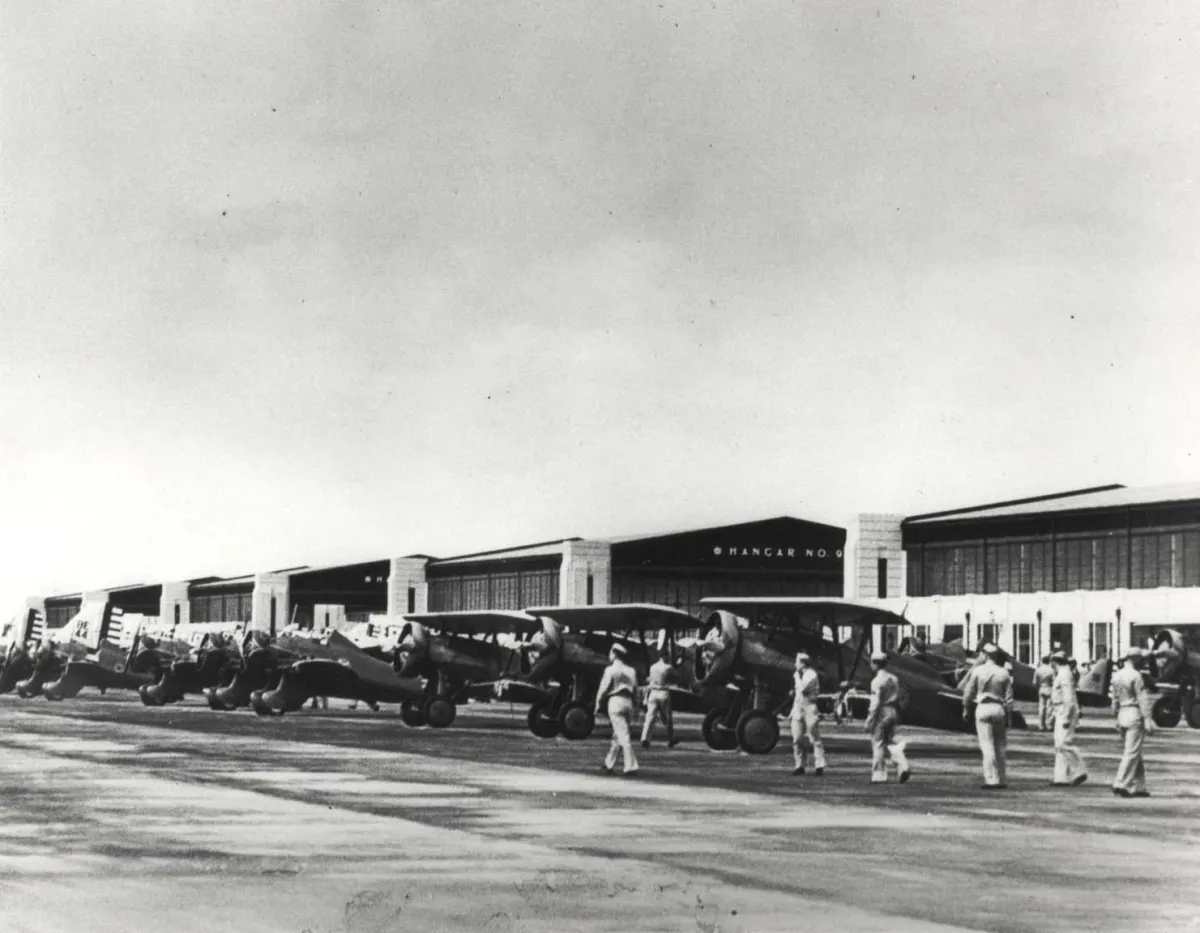 Photo: Hickam Field, via aviation.hawaii.gov
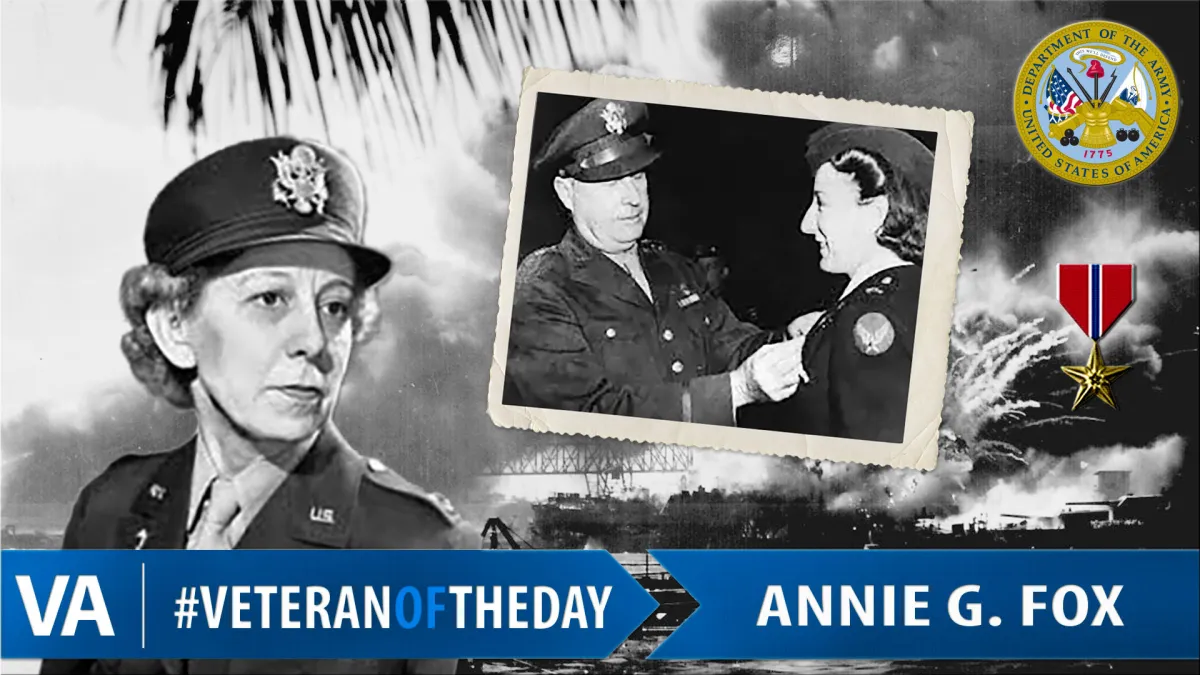 Photo: Annie Fox, via news.va.gov
While others dove for cover, Fox ran toward the chaos.
The Nurse Who Refused to Duck
As the chief nurse at Hickam Field's station hospital, Fox had trained for medical emergencies, but nothing had prepared her for this. Japanese planes were strafing the airfield, bombs were destroying hangars and barracks, and wounded servicemen were streaming toward the hospital from every direction.
Fox immediately organized her nursing staff and began setting up triage stations. When shrapnel from a nearby explosion shattered the hospital's windows, sending glass flying through the wards, she didn't flinch. Instead, she moved wounded patients away from the windows and continued treating the steady stream of casualties.
For the next several hours, as the attack continued and then gave way to frantic rescue operations, Fox worked without rest. She administered blood plasma, treated burns, assisted in surgeries, and coordinated the care of more than 200 wounded men. When supplies ran low, she improvised. When space ran out, she found more.
Most remarkably, she did all of this while under direct enemy fire, with bombs still falling around the hospital.
A Hero the Military Didn't Want
Fox's actions that day were undeniably heroic. She had performed with exceptional courage under the most extreme combat conditions, saving lives while risking her own. By any reasonable standard, she deserved recognition for her service.
And initially, she got it. In 1942, Fox became the first woman to receive the Purple Heart for combat action. The citation praised her "outstanding performance of duty and devotion to her patients during the attack on Hickam Field."
But the military quickly realized it had a problem. If women could be heroes under fire — if they could demonstrate the same courage and effectiveness as men in combat situations — what did that say about the policies that excluded them from combat roles?
The Inconvenient Award
Within two years, the military had quietly changed the rules. In 1944, officials retroactively decided that Fox's actions, while commendable, didn't actually qualify for the Purple Heart. The award was rescinded and replaced with the Bronze Star — still a significant honor, but one that didn't carry the same implications about women in combat.
The official explanation was that the Purple Heart was specifically for those wounded in action, and Fox hadn't been physically injured. But this reasoning was transparently flimsy. The Purple Heart had been awarded for various forms of distinguished service, and Fox's citation had specifically mentioned her "outstanding performance" rather than any wounds.
The real issue was that Fox's heroism threatened the military's carefully constructed narrative about gender roles. If a woman could perform with such distinction under fire, what justification was there for excluding women from combat positions?
Beyond Pearl Harbor
Fox's story didn't end with Pearl Harbor. She continued serving throughout World War II, eventually becoming the chief nurse for the entire Pacific theater. She supervised medical operations from Australia to the Philippines, consistently demonstrating the leadership and competence that had marked her actions on December 7th.
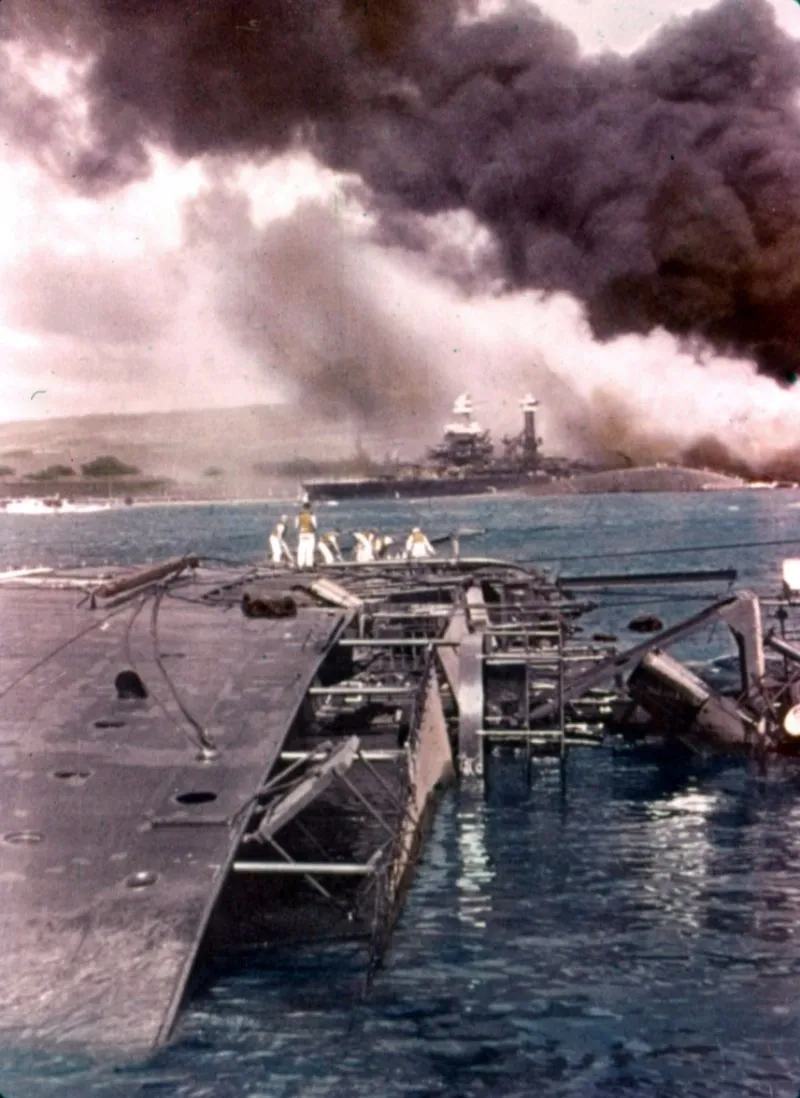 Photo: Pearl Harbor, via 4.bp.blogspot.com
But her broader impact went beyond her individual service. Fox had inadvertently become a symbol of female capability in extreme circumstances. Her example — along with those of other women who served with distinction during the war — planted seeds that would eventually grow into significant changes in military policy.
The Long Arc of Recognition
It took decades for the military to fully reckon with what Fox had accomplished. In 1976, more than thirty years after her Purple Heart was rescinded, she finally received proper recognition when she was awarded the Meritorious Service Medal.
But perhaps more significantly, Fox's story became part of a larger narrative about women's contributions to the war effort. As historians began to document the full scope of women's service during World War II, Fox's actions at Pearl Harbor stood out as a powerful example of heroism that had been systematically minimized.
The Courage to Challenge Assumptions
Fox's story is particularly compelling because she didn't set out to challenge gender roles or make a political statement. She was simply doing her job — caring for wounded patients — under extraordinary circumstances. Her heroism was organic, arising naturally from her professional training and personal character.
This made her example all the more powerful and all the more threatening to those who wanted to maintain traditional gender hierarchies. Fox hadn't argued for women's capabilities in combat; she had simply demonstrated them when it mattered most.
Lessons from Under Fire
Annie Fox's experience offers several important lessons about courage, recognition, and social change. First, it shows how institutional bias can distort even the most clear-cut examples of heroism. Fox's actions were undeniably courageous, but the military's need to maintain existing policies led to a systematic minimization of her achievements.
Second, it demonstrates how individual acts of courage can have broader social implications. Fox wasn't trying to advance women's rights, but her example became part of the evidence that eventually forced changes in military policy.
Finally, it reminds us that progress often comes through the accumulation of individual examples rather than grand gestures. Fox's story, combined with those of thousands of other women who served with distinction during the war, gradually shifted perceptions about what women could accomplish.
The Hero We Almost Forgot
Today, Annie Fox is remembered as a pioneer who helped pave the way for women's expanded roles in the military. Her Purple Heart was never restored, but her legacy is secure. She proved that heroism under fire knows no gender, even when the institutions meant to recognize that heroism aren't ready to acknowledge what they've seen.
In a larger sense, Fox's story embodies the central truth of progress: that change often begins with individuals who simply do what needs to be done, regardless of what the rules say is possible. She ran toward the bombs because wounded people needed help. Everything else — the awards, the controversy, the eventual recognition — was just the world catching up to what she already knew: that courage and competence aren't determined by the uniform you wear, but by what you do when everything falls apart.