The Night Everything Changed
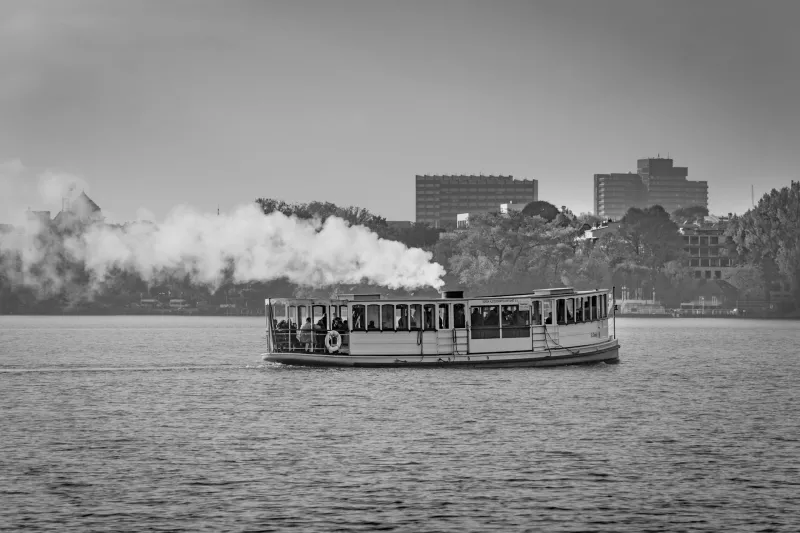
May 13, 1862. Charleston Harbor. A Confederate transport steamer called the Planter sat quietly at the dock, her white officers having retired to their homes for the evening. What they didn't know was that the enslaved crew they'd left behind had been planning something extraordinary.
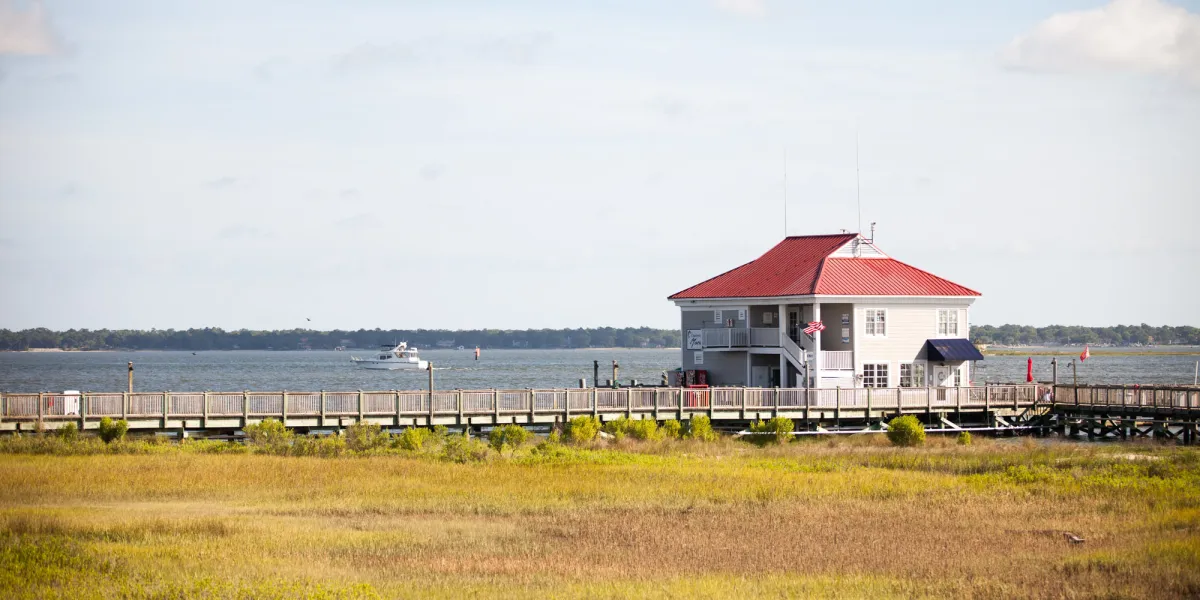 Photo: Charleston Harbor, via charlestonharbormarina.com
Robert Smalls, just 23 years old and born into bondage, had been studying the ship's operations for months. He knew every whistle signal, every harbor checkpoint, every Confederate flag protocol. More importantly, he knew that freedom wasn't something you waited for — it was something you took.
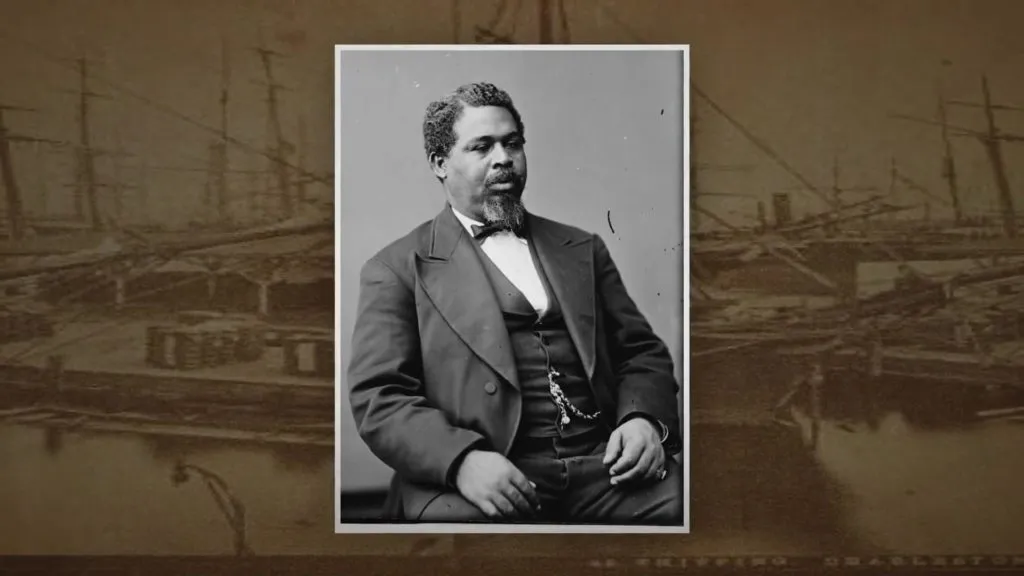 Photo: Robert Smalls, via d3i6fh83elv35t.cloudfront.net
As dawn broke, Smalls donned the captain's hat and jacket, fired up the engines, and sailed the Planter straight past Confederate fortifications. When challenged, he gave the proper signals. When questioned, he tipped his hat with the authority of a man who belonged exactly where he was. By the time the sun was fully up, he had delivered a Confederate warship — complete with its cargo of artillery — directly into Union hands.
But stealing a ship was just the beginning of Robert Smalls' story.
From Cargo to Captain
Most escape stories end with freedom. Smalls' story was just getting started.
The Union Navy didn't quite know what to do with this audacious young man who had just handed them a military vessel. But Smalls had a proposal: make him the captain. He knew Charleston's waters better than any white officer they could assign. He understood the Confederate defenses because he'd helped build some of them. And he had something most naval officers lacked — nothing left to lose.
The Navy agreed, making Smalls the first African American to captain a ship in U.S. military service. Over the next three years, he completed 17 missions, never losing a vessel or a crew member. He wasn't just competent — he was exceptional.
But Smalls was thinking bigger than military service. He was thinking about what came after the war.
The Business of Freedom
While other formerly enslaved people were figuring out how to survive freedom, Smalls was figuring out how to profit from it. He used his military pay and prize money from captured Confederate vessels to buy real estate. Not just any real estate — he purchased the very house where he had been enslaved, the mansion of his former master, Henry McKee.
It wasn't revenge. It was strategy.
Smalls understood something that many of his contemporaries missed: real political power required real economic power. He expanded his holdings, bought more ships, and established himself as one of South Carolina's most successful Black entrepreneurs. By the time Reconstruction began in earnest, he wasn't asking for a seat at the table — he owned the table.
The Congressman Who Never Forgot the Water
In 1874, Smalls won election to the U.S. House of Representatives, becoming one of the first African Americans to serve in Congress. But even in Washington, he remained the same man who had commandeered that Confederate ship. He was bold, strategic, and absolutely unafraid of taking what others said didn't belong to him.
He used his position to fight for Black civil rights, to secure funding for schools and infrastructure in South Carolina, and to ensure that the sacrifices of Black soldiers during the Civil War weren't forgotten. When white supremacists began rolling back Reconstruction gains, Smalls didn't retreat — he doubled down.
He served five terms in Congress and later became a customs collector, using every position to build economic and political networks that would outlast his own career.
The House That Freedom Built
Perhaps the most powerful symbol of Smalls' transformation wasn't his congressional seat or his business empire — it was that house. The mansion where he had once been property became the place where he raised his children as free citizens. Where he had once served meals, he now hosted political strategy sessions. Where he had once been forbidden to read, he now wrote legislation.
When Henry McKee fell on hard times after the war, Smalls did something remarkable: he allowed his former master's widow to live in a cottage on the property, rent-free, until her death. It wasn't magnanimity — it was the ultimate demonstration of how completely the tables had turned.
The Captain's Legacy
Robert Smalls died in 1915, in the house where he had been born into slavery. But by then, he had proven something that reverberates far beyond his own extraordinary life: that the distance between cargo and captain isn't measured in miles or years, but in audacity.
He didn't wait for permission to be free. He didn't ask for permission to be successful. He didn't seek permission to be powerful. He simply took the wheel and sailed toward the horizon he wanted to reach.
In a world that insisted he was property, Smalls declared himself the proprietor. And then he spent the rest of his life proving it, one bold move at a time.