The Stranger Who Changed Everything
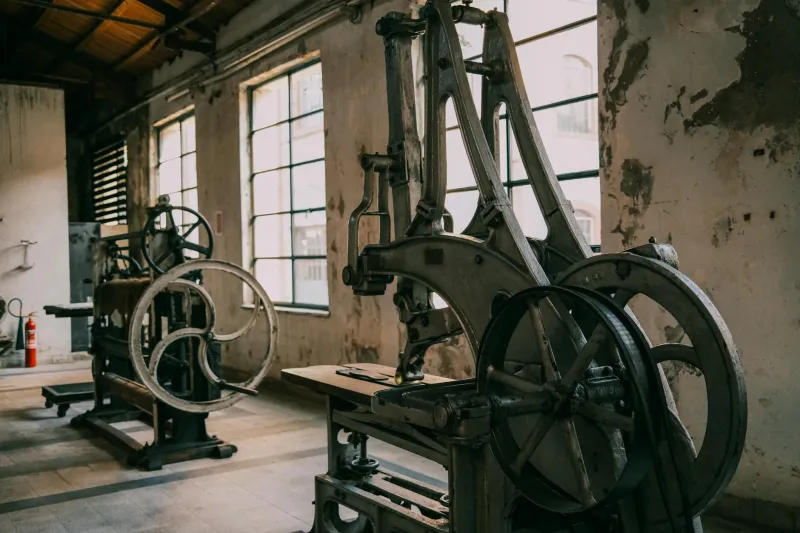
Lynn, Massachusetts in 1877 was a city built on leather and sweat. The shoe capital of America hummed with the sound of hammers and the smell of tanned hide, but every pair of boots that walked out the factory door had been touched by human hands performing the most delicate step: lasting. It was skilled work—stretching leather over wooden forms, shaping each shoe by hand—and it was the bottleneck that kept America's footwear industry crawling when it should have been running.
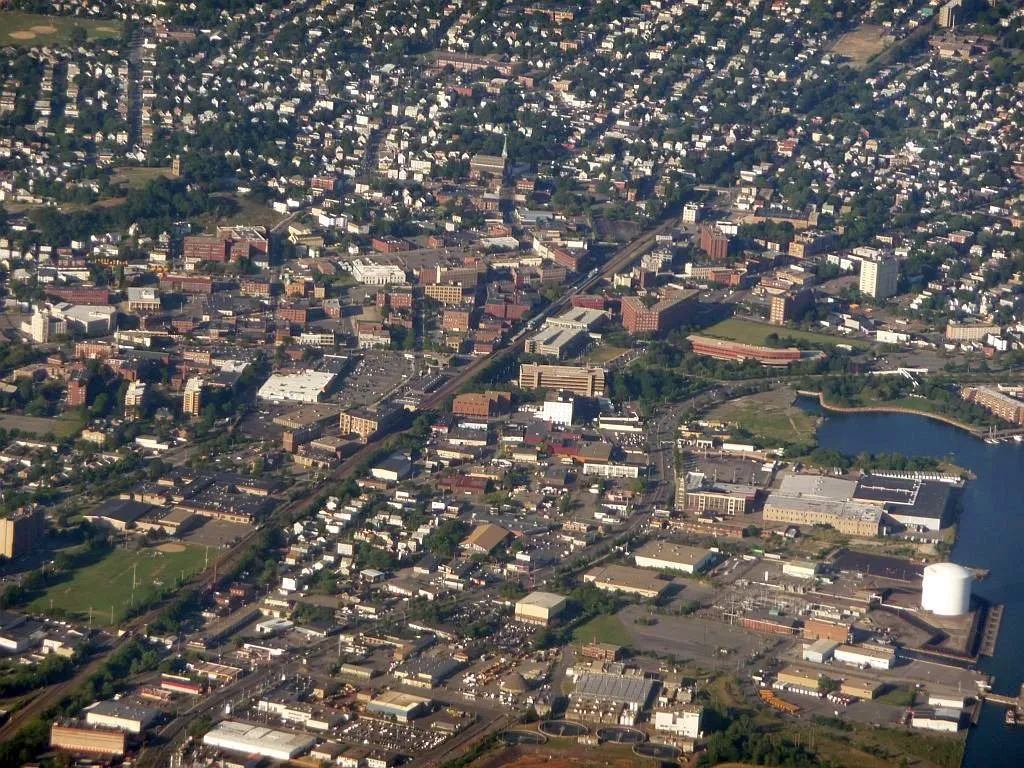 Photo: Lynn, Massachusetts, via i.pinimg.com
Then a 25-year-old stranger arrived from Dutch Guiana who barely spoke English but understood machines in a language all their own.
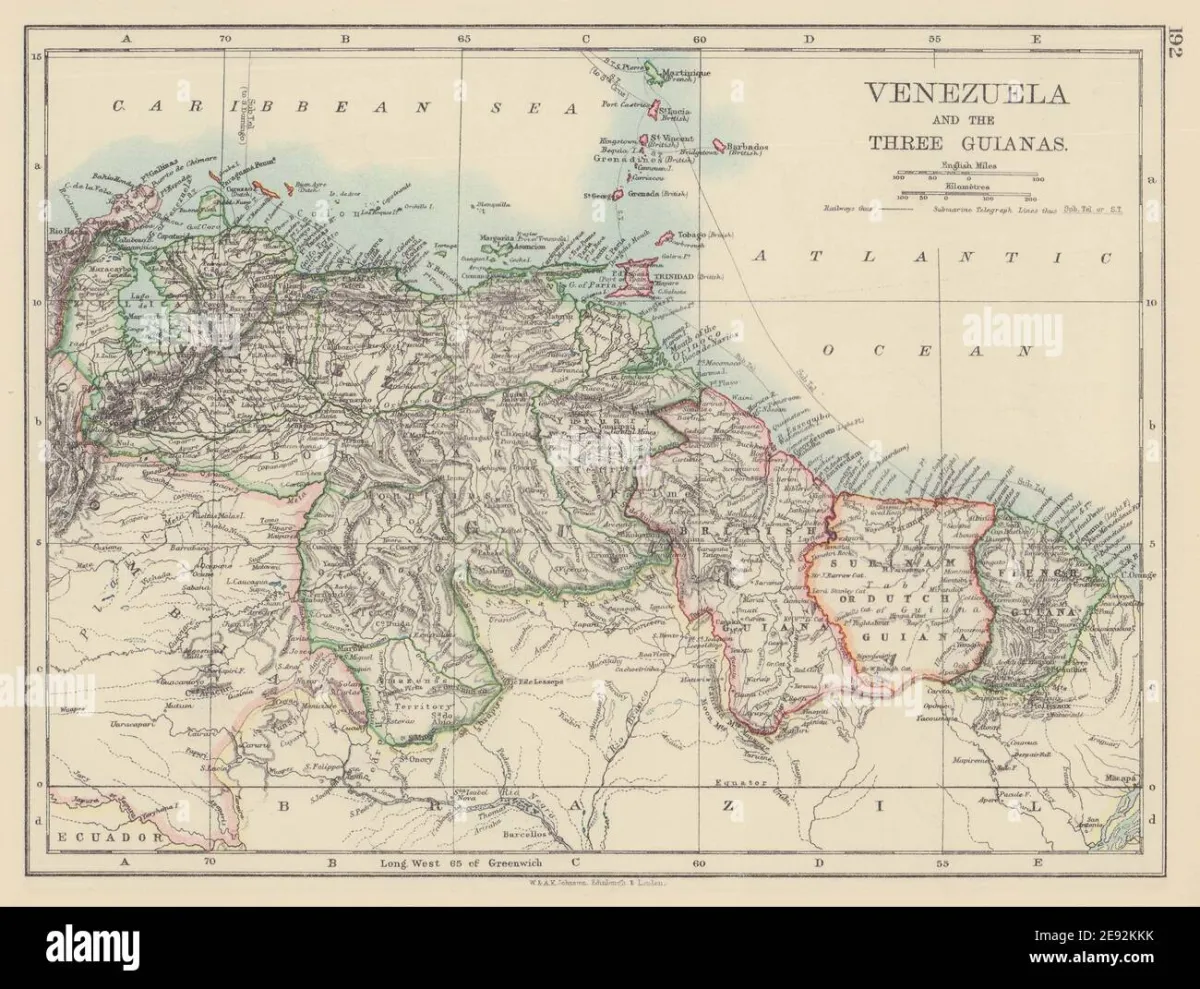 Photo: Dutch Guiana, via c8.alamy.com
Jan Ernst Matzeliger had grown up watching his Dutch engineer father work alongside his enslaved Surinamese mother in a world where racial lines determined everything. When he made his way to America, he carried that outsider's perspective like a secret weapon. In Lynn's factories, while other workers saw an impossible problem, Matzeliger saw an engineering puzzle waiting to be solved.
 Photo: Jan Ernst Matzeliger, via www.thedailyscrumnews.com
The Problem That Stumped an Industry
Shoe lasting was considered an art, not a science. Master craftsmen spent years learning to stretch leather perfectly over wooden lasts, creating the shape that would define each shoe. A skilled laster could complete maybe 50 pairs a day on a good day. The process couldn't be rushed, couldn't be simplified, and definitely couldn't be mechanized—or so everyone believed.
Factory owners had tried for decades to build a machine that could replicate the subtle hand movements required for lasting. Inventors had burned through fortunes attempting to mechanize what seemed to require human intuition. The prevailing wisdom was simple: some things just couldn't be done by machines.
Matzeliger, working the factory floor by day and tinkering by night, had a different opinion.
The Outsider's Advantage
What Matzeliger lacked in formal education, he made up for in pure observation. While established engineers approached the problem with preconceived notions about how machines should work, Matzeliger studied human hands. He watched lasters work, memorizing every movement, every adjustment, every subtle manipulation of leather and form.
Working in his cramped boarding house room, often by candlelight, Matzeliger began building what others said was impossible. He constructed model after model, each one an attempt to translate human dexterity into mechanical precision. His neighbors thought he was crazy. His fellow workers assumed he was wasting his time.
The local church he tried to join had already made their opinion clear: a man of mixed race wasn't welcome, no matter how devout his faith or gentle his manner. If Lynn's religious community couldn't see his worth, why would its business leaders recognize his genius?
The Machine That Changed Everything
By 1883, after six years of relentless experimentation, Matzeliger had created something extraordinary: a lasting machine that could hold a shoe in place, manipulate the leather with mechanical fingers, and complete the lasting process with unprecedented speed and precision. What had taken a skilled craftsman an entire day could now be accomplished in minutes.
The machine wasn't just faster—it was better. It created more consistent results, reduced waste, and could operate with workers who had minimal training. When Matzeliger demonstrated his invention, seasoned factory owners who had seen countless failed prototypes stood in stunned silence.
The implications were staggering. Shoe production costs plummeted. American footwear became competitive on global markets for the first time. The city of Lynn transformed from a regional manufacturing center into an industrial powerhouse.
The Price of Innovation
Matzeliger's lasting machine made other people wealthy beyond imagination. The company that acquired his patents became a cornerstone of American industry. Factory owners who had struggled to meet demand suddenly found themselves with the capacity to supply the entire nation.
But Matzeliger himself remained largely invisible. The same society that celebrated his machine continued to marginalize its creator. He worked long hours in poorly ventilated factories, breathing leather dust and chemical fumes. His health deteriorated steadily, and in 1889, at just 37 years old, tuberculosis claimed the life of the man who had revolutionized American manufacturing.
The Legacy Hidden in Plain Sight
Today, every time you slip on a pair of shoes, you're benefiting from Jan Matzeliger's genius. His lasting machine didn't just change how shoes were made—it demonstrated how mechanical innovation could transform entire industries. The principles he developed influenced manufacturing processes far beyond footwear, contributing to the automation that would define American industrial supremacy.
Yet for decades, his name appeared in no history books. His contributions were credited to the companies that profited from his work, not the immigrant who made it possible. Only recently have historians begun to recognize Matzeliger as one of America's most influential inventors.
Rising From the Margins
Matzeliger's story embodies everything America claims to celebrate: innovation, perseverance, and the power of fresh perspectives to solve old problems. He arrived with nothing but curiosity and determination, faced rejection at every turn, and still managed to change the world.
His lasting machine proved that the most transformative ideas often come from the most unexpected places. Sometimes it takes an outsider—someone unburdened by conventional wisdom and unafraid of impossible challenges—to see solutions that have been hiding in plain sight all along.
In a country built on the promise that anyone can rise from anywhere, Jan Matzeliger's legacy reminds us that the hands history overlooks are often the ones holding everything together.